
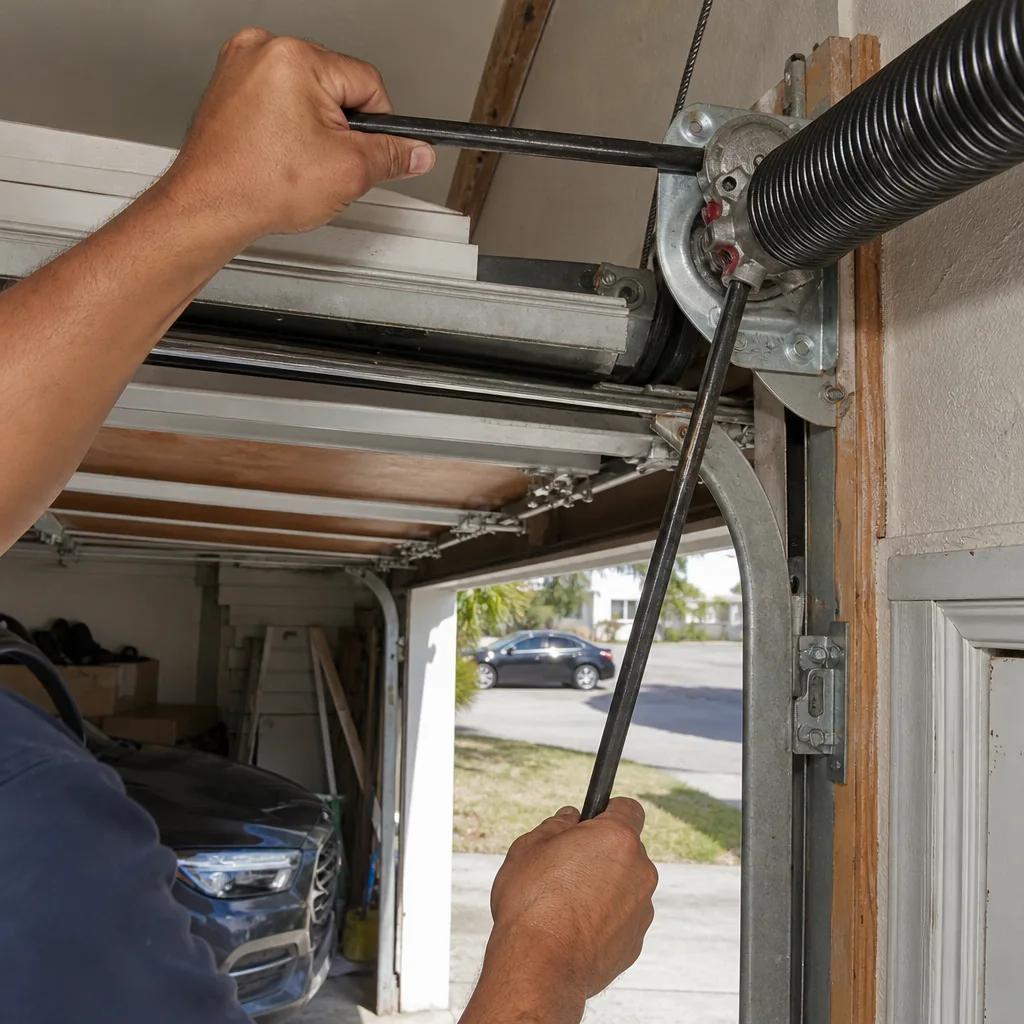
Last updated November 21, 2026
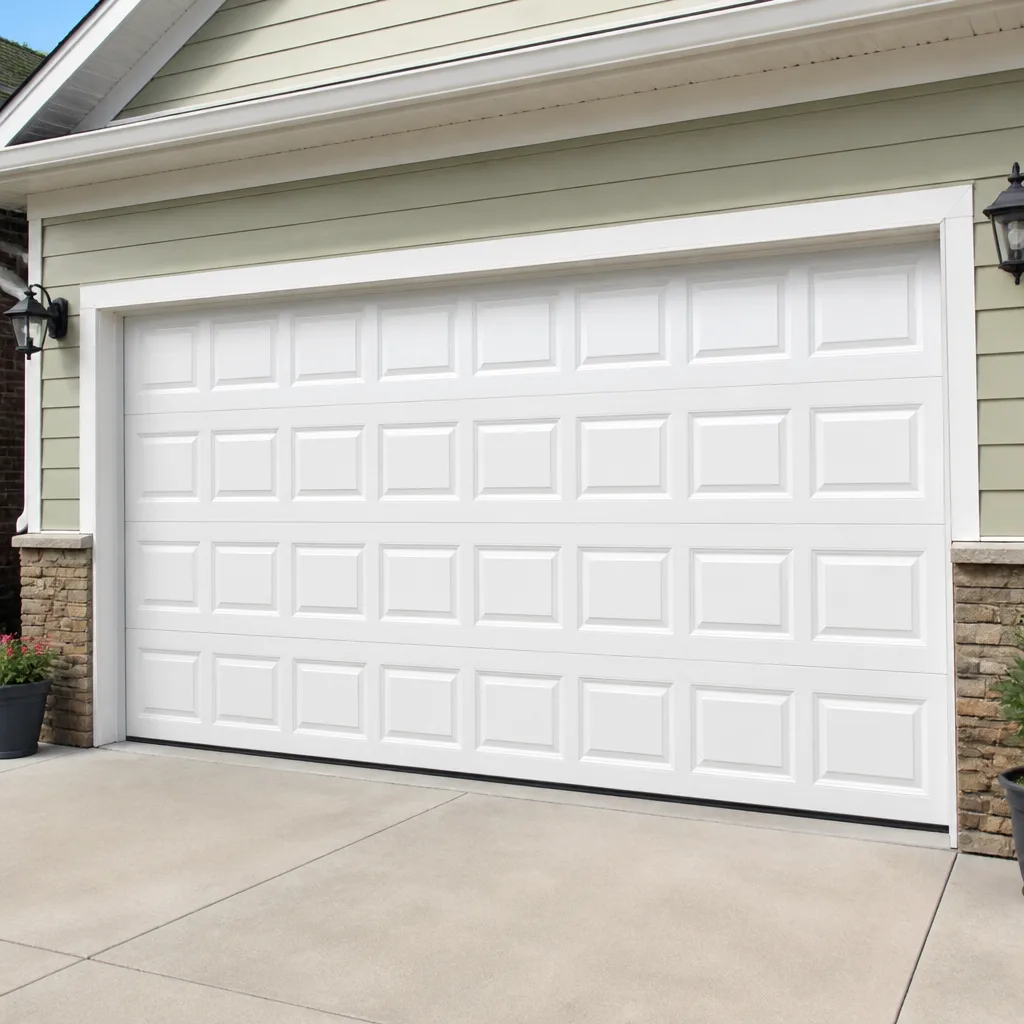 Raised-panel steel
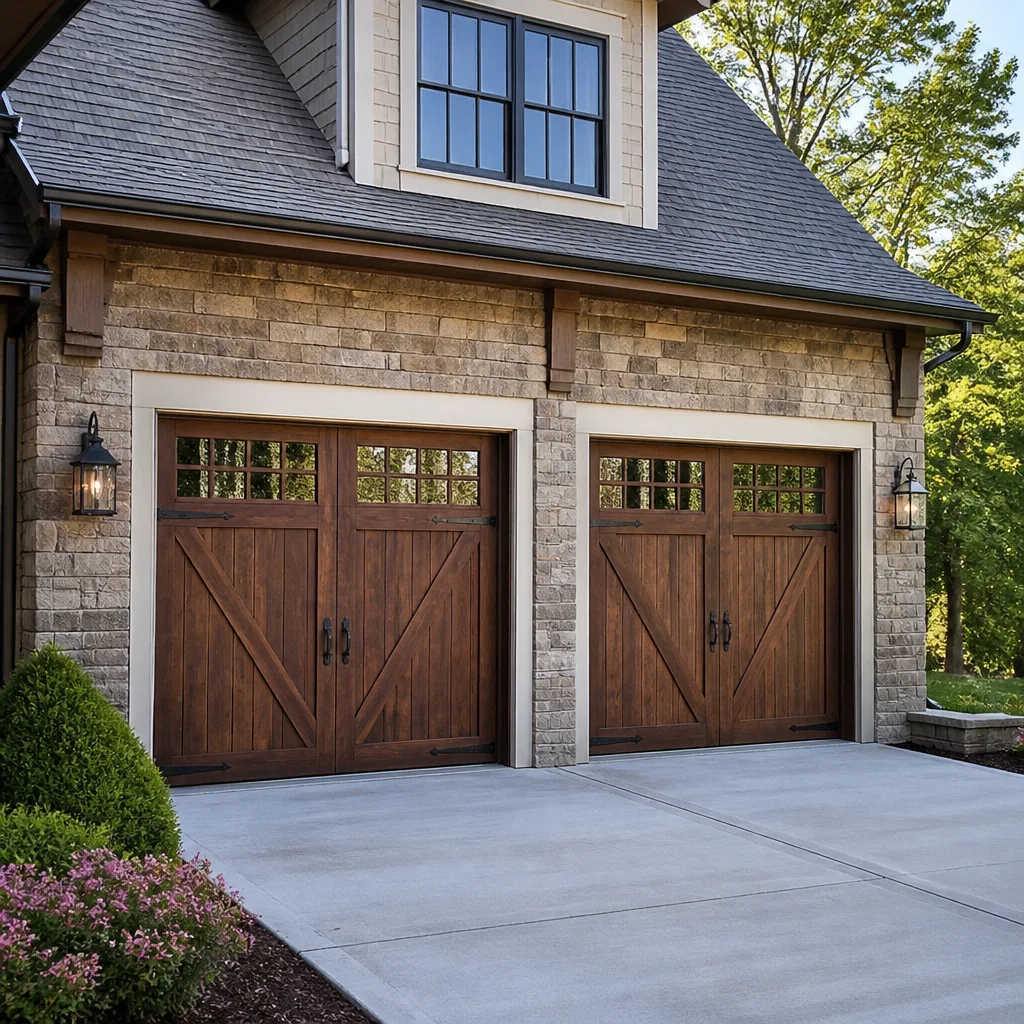 Carriage house
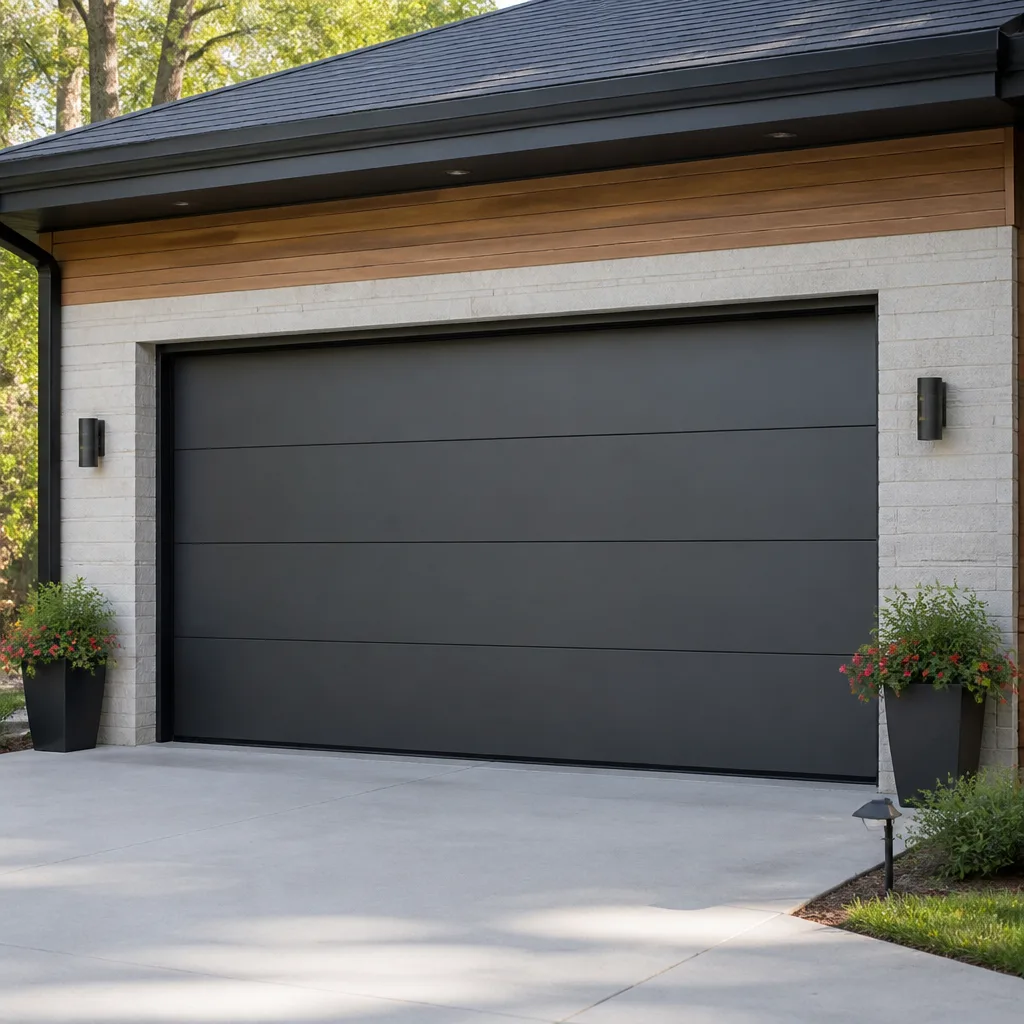 Modern flush
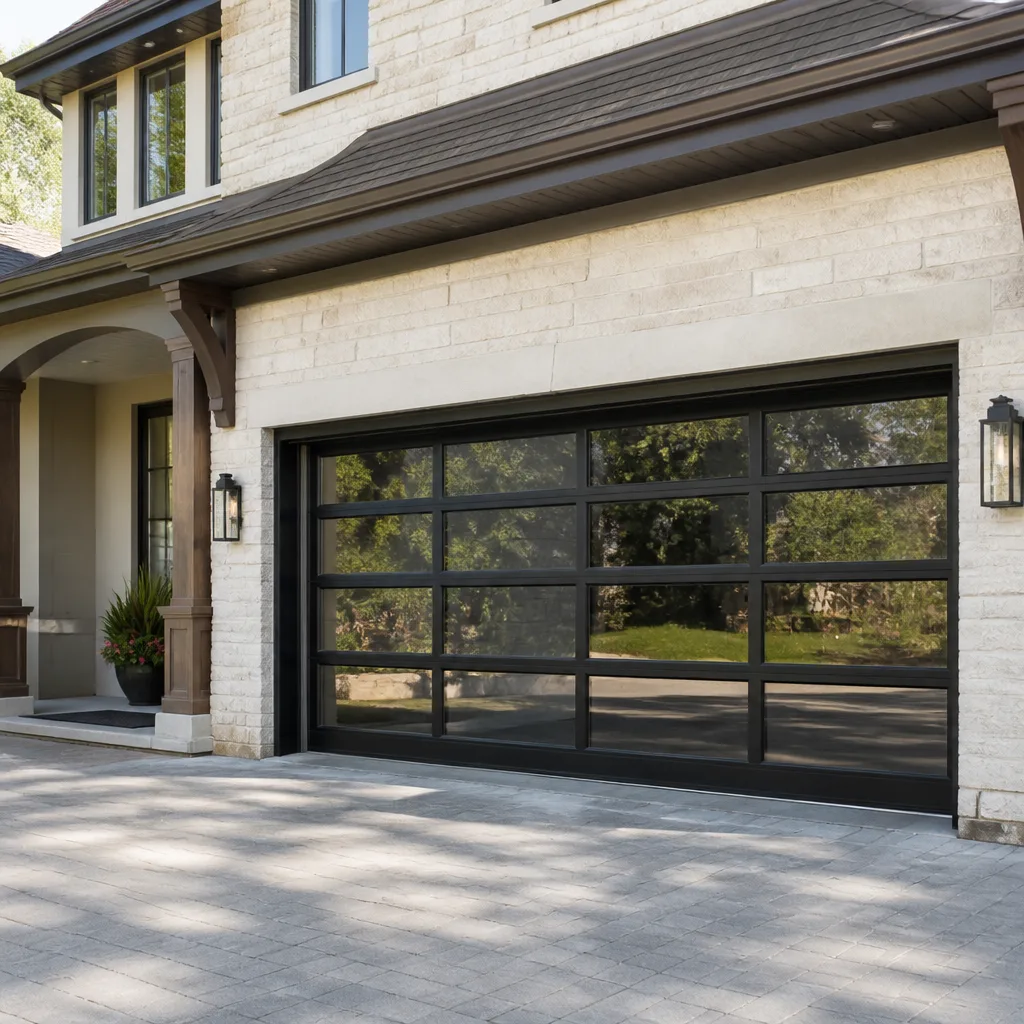 Full-view glass
 LiftMaster openers
 Chamberlain openers
Full 25-point door and opener safety check with every visit - springs, cables, rollers, tracks, and your LiftMaster or Chamberlain opener included
You get a price before we start. It does not change when the pro arrives.
Get your free estimateHow to Hire a Garage Door Contractor in Hialeah: A Step-by-Step Guide
Most homeowners shop for a garage door contractor the same way they shop for a used car: they compare price, they check whether the truck shows up, and they decide. That works fine until a claim gets denied or a code inspector points at the door. Florida treats garage door work as a building envelope job, and Miami-Dade County treats it as one of the wind-load-critical systems on the house. In Hialeah, where windstorms are a real seasonal concern and many homes carry wind coverage built around specific product approvals, who installs the door matters as much as the door itself. This guide walks you through the verification steps most people skip, in the order that protects you.
Quick Answer
Hiring a garage door contractor in Hialeah means verifying three things before anyone touches your door: a Florida DBPR license (with the right status to pull a permit), proof that the proposed door carries a current Notice of Acceptance (NOA) for Miami-Dade County, and a written, itemized estimate that names the brand, model and labor scope. Ask for the permit before work starts, never after. If a contractor hesitates on any of those three, keep calling.
Styles & brands we work with
- Raised-panel steel
- Carriage house
- Modern flush
- Full-view glass
- LiftMaster openers
- Chamberlain openers
Table of Contents
- Verifying a Florida License: Registered vs. Certified
- What NOA Product Approval Actually Means
- Why Non-Permitted Work Can Break Your Wind Coverage
- What a Legitimate Florida Estimate Must Include
- Red Flags Unique to Hialeah’s Market
- Ten Questions to Ask Before You Sign
- What Should Happen After the Installer Leaves
Verifying a Florida License: Registered vs. Certified
Start with the Florida Department of Business and Professional Regulation (DBPR), which runs a free public license lookup at its website. You’ll need the company name and a license number, so ask for both before the estimate, not after. A contractor who can’t produce a license number on request is not a contractor in the eyes of the state.
The distinction that trips most homeowners up is registered versus certified. A certified contractor holds a statewide license and is authorized to practice across Florida without further local registration. A registered contractor holds a license that’s only valid in the counties or municipalities where they’ve registered. In Miami-Dade County, permitting rules mean the registration matters. A crew licensed in Broward that isn’t registered here may be able to install your door but can’t necessarily pull the permit that makes the install legal.
When you look up the license, check four fields:
- Status – it should read “Current” or “Active,” not “Null and Void,” “Delinquent” or “Suspended.”
- License type – residential garage door work typically falls under a general, building or specialty contractor category. Ask which one applies and whether it covers the scope you need.
- Qualifying agent – the person whose name is on the license has to be associated with the company, not a subcontractor who rents the license out.
- Expiration date – if it expires while your install is in progress, you want to know that now.
For Hialeah specifically, the contractor also has to be able to work with the City of Hialeah’s building department on permitting. When you call, ask straight: “Can you pull the permit, and are you registered in Miami-Dade?” A pause is your answer.
What NOA Product Approval Actually Means
A Notice of Acceptance (NOA) is Miami-Dade County’s product approval document. It certifies that a specific product has been tested and approved for use in this county’s wind zone. Garage doors fall under this system because a door is a large opening on the wall, and a door that fails in a windstorm lets wind and water into the house. Without a current NOA, the door is unapproved product for the county, and the installation won’t pass inspection.
Here’s the test that separates a real contractor from a salesperson: ask for the NOA number on the exact door they’re proposing. They should be able to name it before they leave your driveway, or send it within a day. If the answer is “the door is approved” without a number, they don’t know, or the door isn’t approved. Both matter.
What an NOA actually covers:
- The product, down to model and configuration. A door line that’s approved at one size or wind-load rating isn’t automatically approved at another.
- Anchoring and installation method, because how the door is fastened to the wall affects the wind rating. A properly approved door installed with the wrong anchors is an unapproved system.
- An expiration date, since NOAs are renewed periodically. A 2015 approval number doesn’t cover a door sold in 2026.
When we quote a Clopay door or a LiftMaster opener in Hialeah, the NOA question comes up before pricing. It’s the first thing the building department will ask about, and it should be the first thing you ask your contractor. If the door you want doesn’t carry an NOA, the contractor should be able to steer you to a comparable model that does. We know the Clopay, Amarr and Wayne Dalton lines well enough to tell you what’s approved and what isn’t before you commit.
Why Non-Permitted Work Can Break Your Wind Coverage
This is the point most homeowners figure out too late. A garage door replacement that changes the door’s wind-load rating is a project that requires a permit in Florida. An unpermitted replacement doesn’t just skirt the code – it can leave the work undocumented at claim time, and that’s where things get expensive.
Insurance adjusters aren’t naive. When a wind damage claim comes in, they look at the door, the framing, the anchor pattern, and the permit record. If the door’s model and installation don’t match a permitted plan, the adjuster can flag the work as non-compliant. Depending on the policy, that flag can reduce the payout, exclude the door from coverage, or push the claim toward a dispute. It’s not a scare tactic. It’s how the paperwork works.
What makes this worse in Hialeah is that garage doors are one of the most visible parts of the house from the street. If a neighbor’s door matches yours in brand and model but theirs was permitted and yours wasn’t, the adjuster can compare the two. Permits are public record. So are inspection outcomes.
Three practical steps to protect yourself:
- Confirm the permit before material order. Ask for the permit number and the building department that issued it. Miami-Dade and Hialeah both publish permit records – you can verify.
- Keep the NOA, the inspection card and the final inspection sign-off with your closing documents or insurance file. If you sell the home, these are the proof the next buyer’s insurer will want.
- Photograph the install, including the anchor pattern and the door label showing the model and the NOA number. Labels are small, and they matter at claim time.
An unpermitted install saves you a permit fee up front. It can cost you the door later.
What a Legitimate Florida Estimate Must Include
A verbal quote protects the contractor, not you. A written estimate is the document that establishes scope, parts and price. In Florida, a written estimate should include the following, and if any piece is missing, ask for a revised copy.
- Itemized parts, brand and model for the door, the opener if one’s included, and any hardware. “Premium door” isn’t a specification, it’s a sales phrase. Clopay, Amarr, Wayne Dalton and the opener brands all publish model numbers – you should see one on the estimate.
- Labor scope, written in plain language. What’s being removed, what’s being installed, what’s being reused. If the old tracks and springs come off the door, the estimate should say so.
- Permit responsibility. Who pulls it, who pays for it, and whether the final inspection is included.
- Warranty terms on the door, the opener and the labor. Manufacturer warranty is one thing; who honors it if the door sags is another. Ask specifically.
- Payment terms. How much up front, how much on completion. Deposits are normal for material orders. Large cash-upfront requests are not.
- The written price. The number on the estimate is the number you pay unless you approve a change in writing. Get that stated.
In our experience, most disputes on garage door jobs come down to scope that was never written down. The homeowner thought springs were included. The contractor thought they were an add-on. A written itemization makes that conversation happen before work begins instead of after. That’s a big part of why we like to put our numbers in writing and let you read them before you decide.
Red Flags Unique to Hialeah’s Market
Hialeah’s garage door market has a few characters you won’t see in the suburbs. What follows are patterns we’ve watched play out repeatedly.
Storm-chasing crews. A hurricane passes, and within a week there are crews going door-to-door offering “insurance-approved” repairs. Some are legitimate. Many aren’t. The tell is the paperwork: a real restoration contractor can produce a license, a county registration and a permit application. A storm chaser produces a handwritten estimate and wants a cash deposit. After the last major storm cycles through, we hear from homeowners trying to get a company to honor a warranty on a crew that doesn’t answer the phone anymore.
Unlicensed subcontract chains. A company with a valid license quotes the job, then hands the install to a subcontractor who may or may not be licensed. When the door fails its inspection, the license holder isn’t on site, and the subcontractor disappears. Ask who specifically will be on site and whether they’re an employee or a sub. If the answer is fuzzy, walk.
“Same-day permit” claims. Miami-Dade County has a permitting process, and it runs on its own timeline regardless of how fast a contractor submits the application. Anyone promising a permit by end of day is either misunderstanding the process or planning to skip it. Both are problems. A permit that isn’t pulled isn’t a permit.
“Handyman-special” installs. Handymen are useful for a lot of things. A wind-rated garage door installation isn’t one of them. The install requires a permit, a licensed contractor, a compliant NOA product and an inspection. A handyman can’t pull the permit, and the door won’t pass inspection. In this market, the savings don’t hold up.
Out-of-county crews with no Miami-Dade registration. A crew from outside the county can quote a lower price and still do honest work. But if they can’t register here, they can’t legally pull the permit, and an unpermitted install is where the insurance problem starts. Verify registration before you sign anything.
Ten Questions to Ask Before You Sign
Walk into any garage door conversation with these questions on your phone. The answers, or the lack of them, tell you what you need to know.
- What’s your Florida DBPR license number? Look it up while they’re still standing there.
- Are you registered in Miami-Dade County? This determines who can pull the permit.
- Will you pull the permit, and who pays for it? Get a named answer, not “we’ll handle it.”
- What’s the NOA number on the door you’re proposing? Should be immediate, or within a day.
- Who will be on site? Employee or subcontractor, and are they licensed?
- What brand and model are on the estimate? Specific name and number.
- Are springs and hardware included in the quoted price? Common add-on surprise.
- What’s the warranty on the door, the opener and the labor, and who honors it? Get it in writing.
- How much deposit, and when is the balance due? Compare terms across bids.
- Can I see the estimate in writing before I sign? A contractor who balks isn’t the one.
If we’re being honest, a contractor who can answer these questions without checking is a contractor who’s been doing this for a while. Our technicians have up to 9 years of experience, and the ones who handle opener jobs know their way around LiftMaster, Chamberlain, Genie and Craftsman systems well enough to talk model numbers without flinching. That’s what you want in a conversation like this.
What Should Happen After the Installer Leaves
The installation isn’t finished when the truck leaves. Here’s the closing checklist a legitimately installed garage door should satisfy.
- Permit card signed off. The inspector has come, looked at the door and closed the permit. You have the inspection record.
- Door label intact with the model and NOA number. Don’t let anyone peel it off or paint over it; the label is part of the product’s compliance.
- Opener programmed and tested. Travel limits set, force sensitivity adjusted, safety sensors aligned and reacting to obstruction. If your opener is smart-enabled, it should be paired to your phone and tested end to end.
- Springs balanced. The door should travel smoothly without straining the opener. If it doesn’t, the springs, not the opener, are usually the issue.
- Written warranty documentation in your hands, not promised for later.
- Payment on completion against the written terms, not before.
If the door was permitted and inspected, the paperwork also goes into your insurance file. This is the difference between a claim that moves smoothly and a claim that turns into a phone call with an adjuster who has questions. Missing paperwork is the most common reason a legitimate repair gets treated as if it wasn’t done.
Common Mistakes to Avoid
- Hiring on price alone. The lowest bid on a garage door in Hialeah is often the one that skips the permit. When you compare bids, compare line items, not just totals.
- Assuming “licensed” means “can pull a permit.” A statewide-certified license doesn’t automatically give the contractor Miami-Dade registration. Verify both, or you may end up with an install the county won’t inspect.
- Letting a handyman touch the door. Handymen can’t pull the permit, and the install won’t pass inspection. The cost of redressing this is usually higher than starting with a proper contractor.
- Skipping the NOA check. If you don’t see the actual approval number on the door being proposed, you’re one inspection short of a problem. Ask before you sign.
- Paying a large deposit to a stranger after a storm. Storm-chasing crews show up after the weather clears. Verify license and county registration before any money changes hands.
- Treating the verbal quote as the price. It isn’t. Get the written estimate, itemized, before you commit. A written price is the one you can hold someone to.
- Filing the paperwork in a drawer. The NOA, the permit card and the inspection sign-off belong with your insurance documents or your closing file. You need them when you need them, and you won’t remember where they are if you’ve stuffed them in a kitchen drawer.
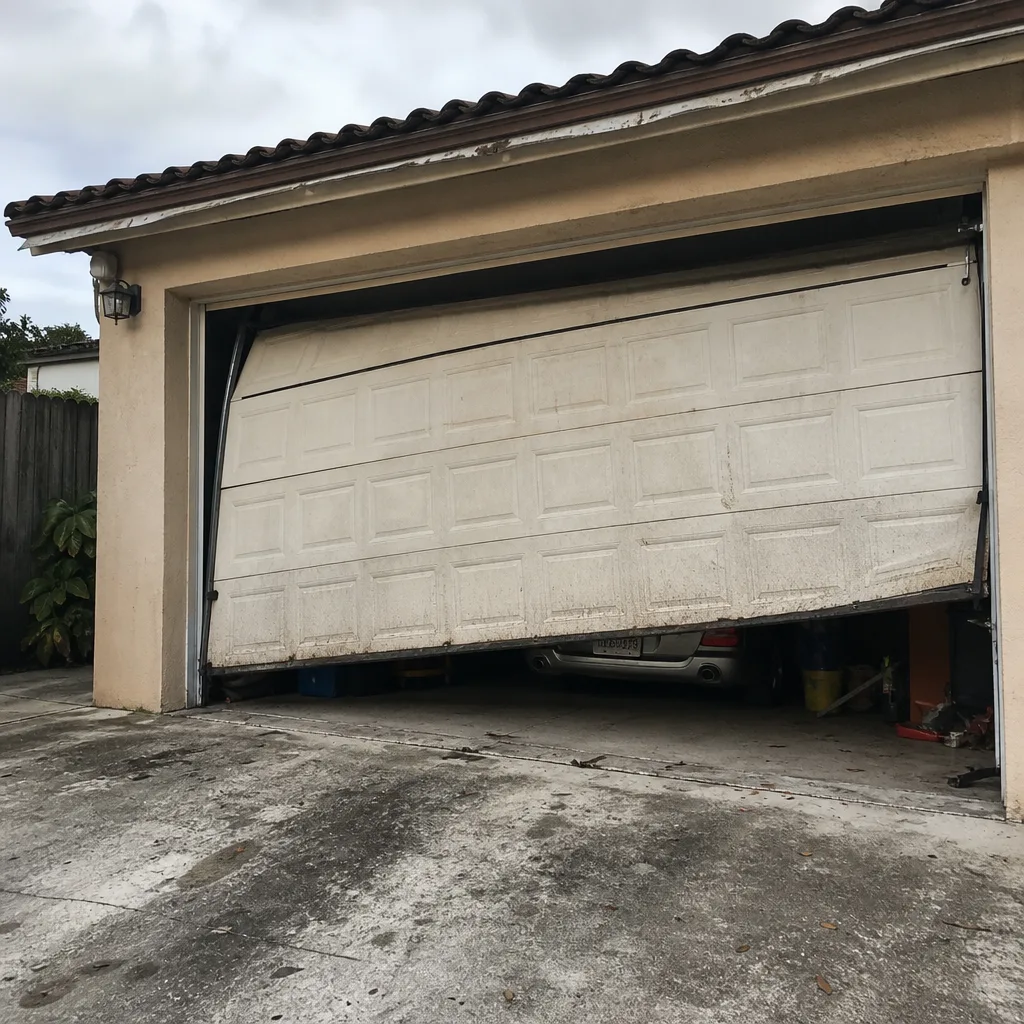
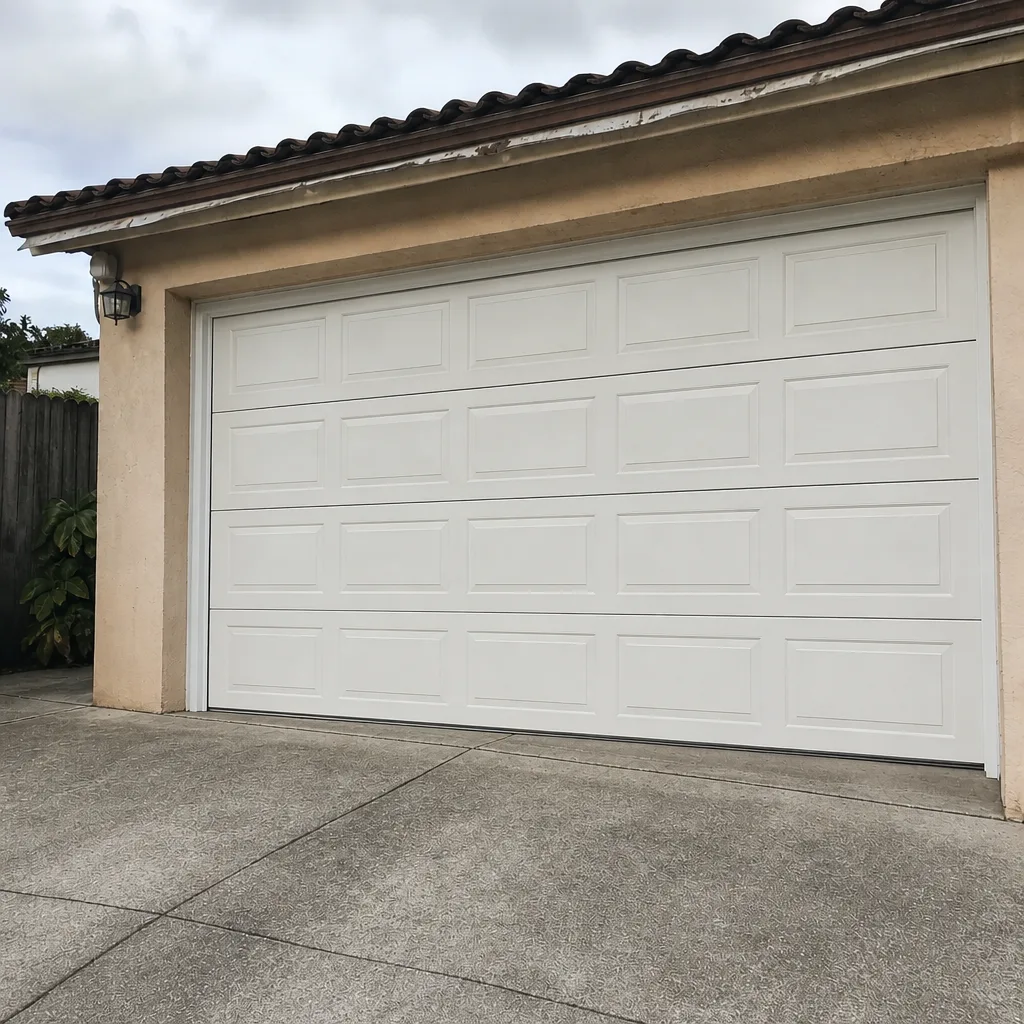
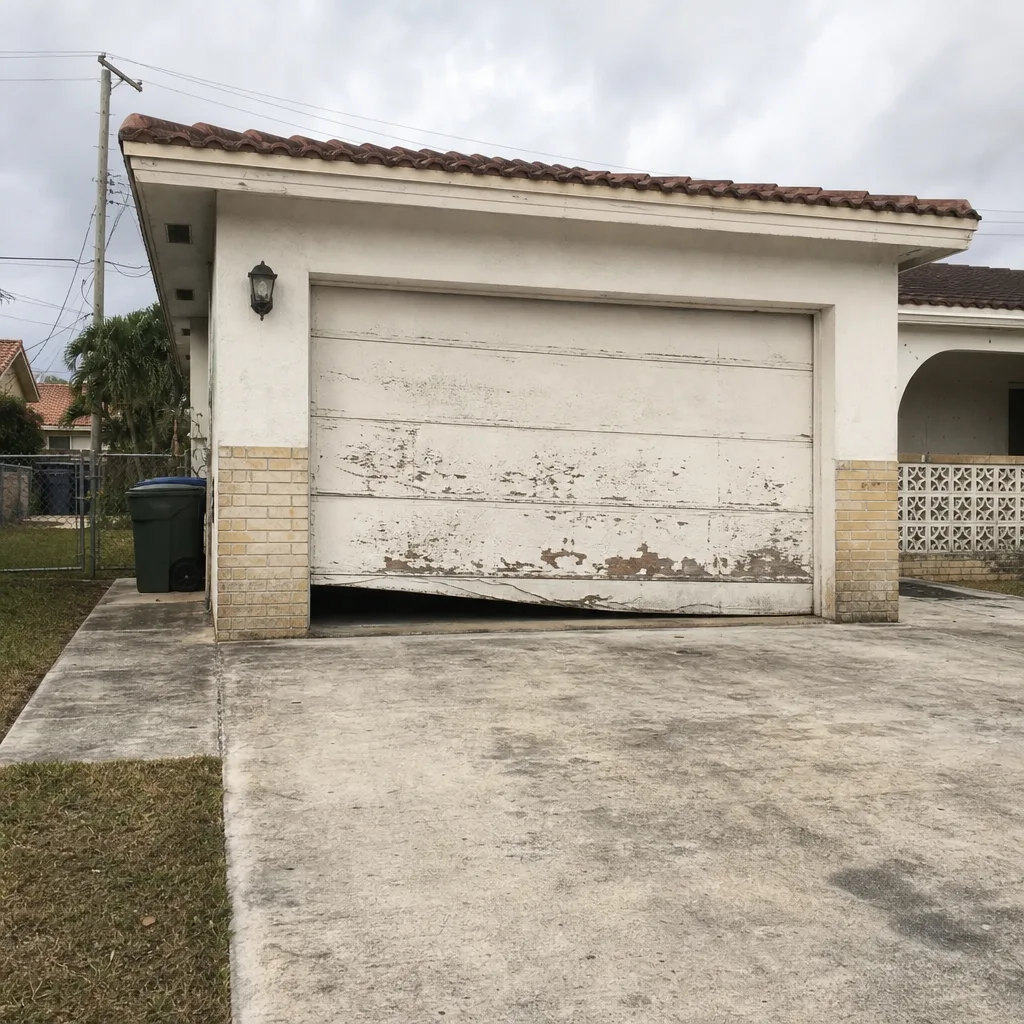
See the difference
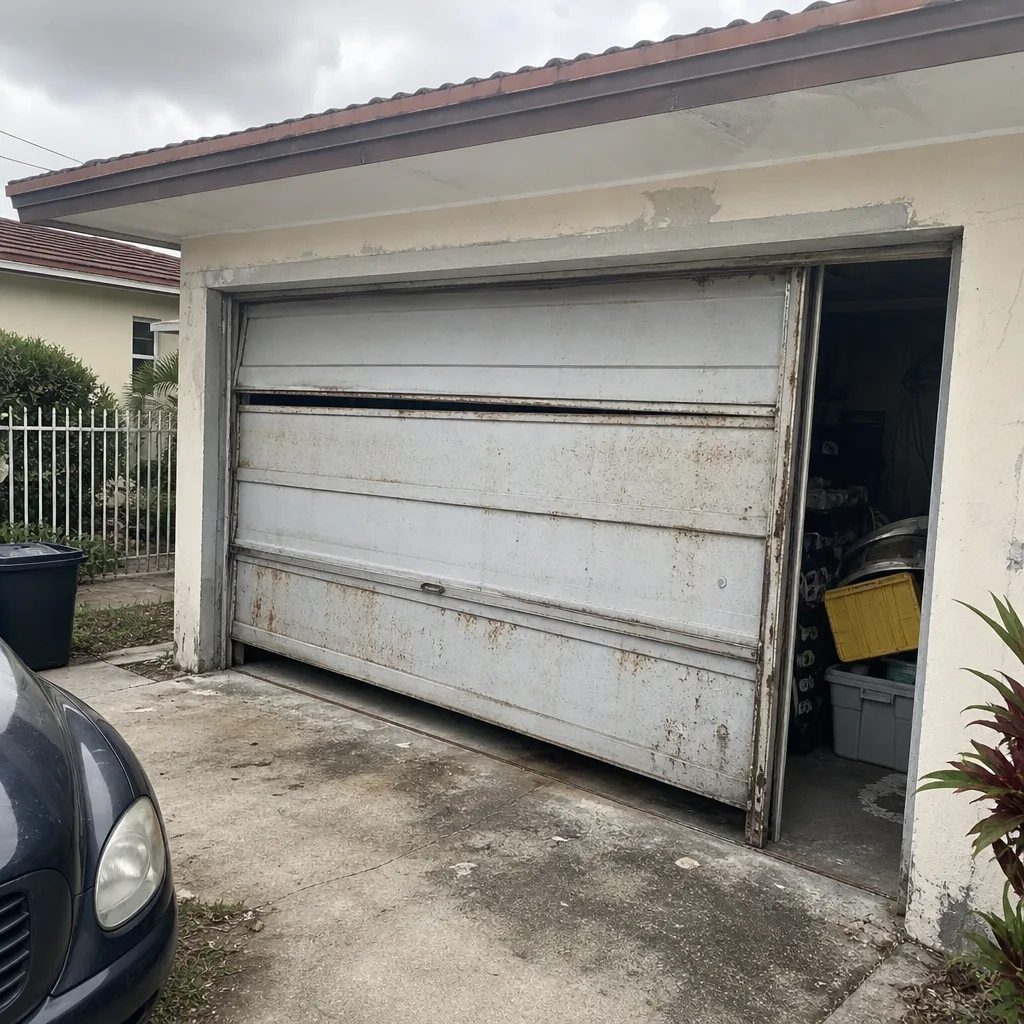 Before
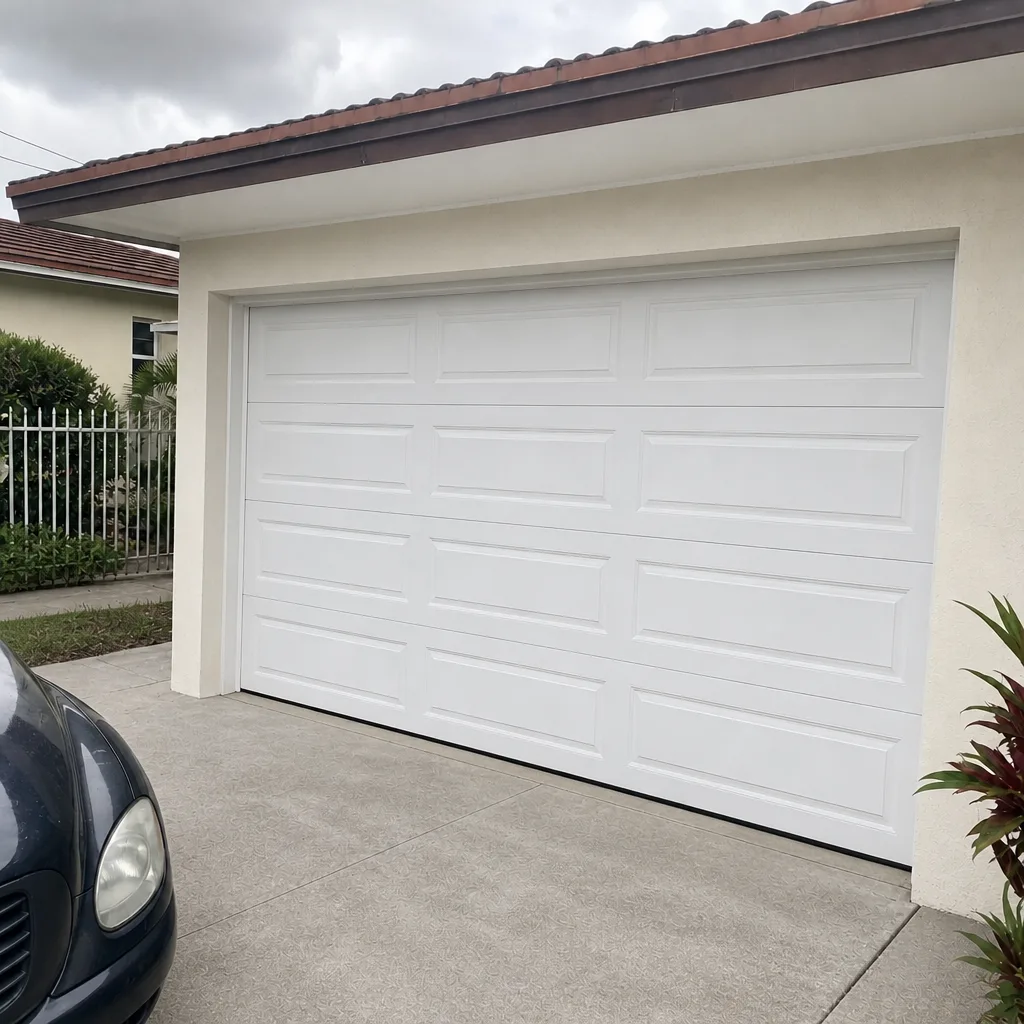 After
 Before
 After
 Before
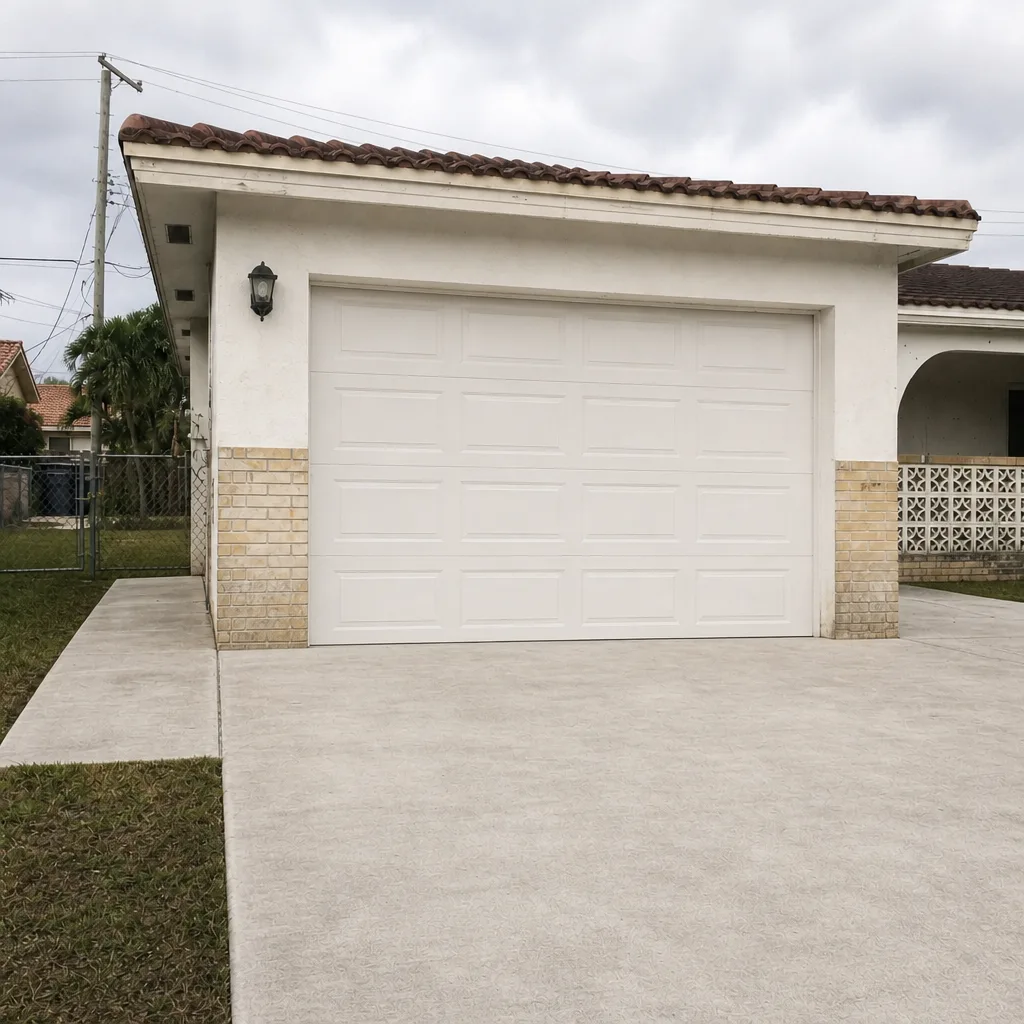 After
When to Call a Professional
Some garage door jobs are safe to take on yourself, mostly routine ones like wiping down rollers or replacing a light bulb. The moment the work touches one of the following, it’s time to call. A garage door spring is the big one: high-tension springs and cables are the most dangerous part of the system, and one hand in the wrong place can cause serious injury. Torsion springs in particular require specific tools and technique; a homeowner should never attempt a spring swap. Same goes for a door that doesn’t reverse on the safety sensor test, a door that’s jumped the track, a structural failure around the framing, and any replacement that requires a permit. Openers with visible damage, strange noises or smart-home integration that stopped working all fit in the same bucket – a trained technician diagnoses them faster than a homeowner with a manual and a multimeter.
Garage Door Repair Hialeah Pros offers free estimates in Hialeah – call (855) 337-2041. We answer 24/7, with fast dispatch from 7am to 7pm, Sunday through Friday.
Frequently Asked Questions
Go to the Florida DBPR’s license lookup page and search by company name and license number. Check the status (current, not delinquent), the license type, the qualifying agent and the expiration date. Then call Miami-Dade County to confirm the contractor is registered here, because a statewide license alone doesn’t automatically qualify them to pull a permit in Hialeah. If you want to be thorough, call (855) 337-2041 and we’ll tell you what we’d check if we were in your position.
Yes, when the replacement changes the door’s wind-load rating, which most full replacements do. Miami-Dade County’s permitting process applies, and the door needs a current NOA product approval for the county. Ask your contractor for the permit number before material order and confirm the final inspection sign-off after install. If a contractor says a permit isn’t needed, ask them to show you the code reference in writing.
An NOA is a Notice of Acceptance, Miami-Dade County’s product approval document for wind-zone construction products. A garage door without a current NOA isn’t approved product for the county, and the install won’t pass inspection. Ask for the NOA number on your exact door model before signing. If the contractor can’t produce one, the door they’re proposing may not be approved for Hialeah installs.
No, not legally. A handyman can’t pull the required permit, and the install won’t pass inspection, which means the work can be flagged at claim time and the door may not be covered under wind damage provisions. If you’ve already had a handyman install, call us and we’ll look at what was done and what needs correcting – (855) 337-2041.
An itemized parts list with brand and model numbers, a plain-language labor scope, permit responsibility, warranty terms for the door, opener and labor, payment terms, and the written price. The price on the written estimate is the price you’re agreeing to; get changes approved in writing. If any of these pieces is missing, ask for a revised estimate before you sign. We’re happy to walk you through what a proper estimate looks like – call (855) 337-2041 for a free one.
It depends on the diagnosis. A spring replacement costs less than a full door replacement, and opener repairs vary by brand and model. The number that matters is the written estimate you receive after a technician looks at the door – not a phone quote, because springs, tracks, cables and openers fail differently. Our estimates are free, and the written quote sets the final price. Call (855) 337-2041 to schedule one.
The Bottom Line
Hiring a garage door contractor in Hialeah isn’t about finding the lowest bid. It’s about verifying three credentials before anyone touches your door: a current Florida DBPR license that’s registered in Miami-Dade, a proposed product with a current NOA number, and a written, itemized estimate that names brand, model and labor scope. Do those three things, ask the ten questions in this guide, and file the permit and inspection paperwork where you’ll find it at claim time. If you want a contractor who’s familiar with the county’s process and knows the brands inside the install, we’re set up for that conversation. We work with LiftMaster, Chamberlain, Genie, Clopay, Amarr, Wayne Dalton, Craftsman and Raynor, we do spring repair as a dedicated service, and we handle full installations as well as repairs.
Need hands-on help? We can take a look at your garage door repair needs, walk through garage door opener repair options if the opener is the issue, or handle a full garage door spring repair safely. Start from our Garage Door Repair Hialeah Pros homepage if you’d rather see the full picture first.
Call (855) 337-2041 for a free estimate. We answer 24/7, with fast dispatch from 7am to 7pm, Sunday through Friday.
Written by the team at Garage Door Repair Hialeah Pros.