
Last updated November 21, 2026
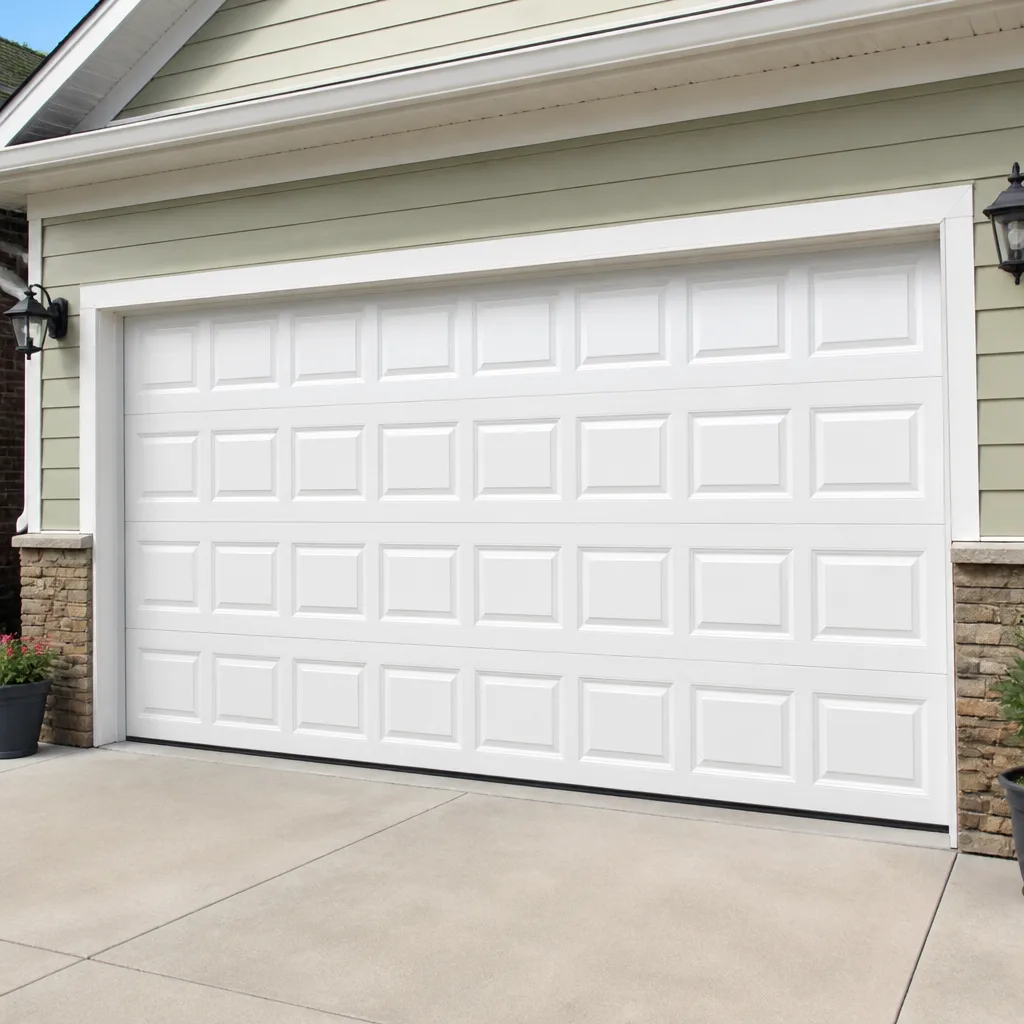 Raised-panel steel
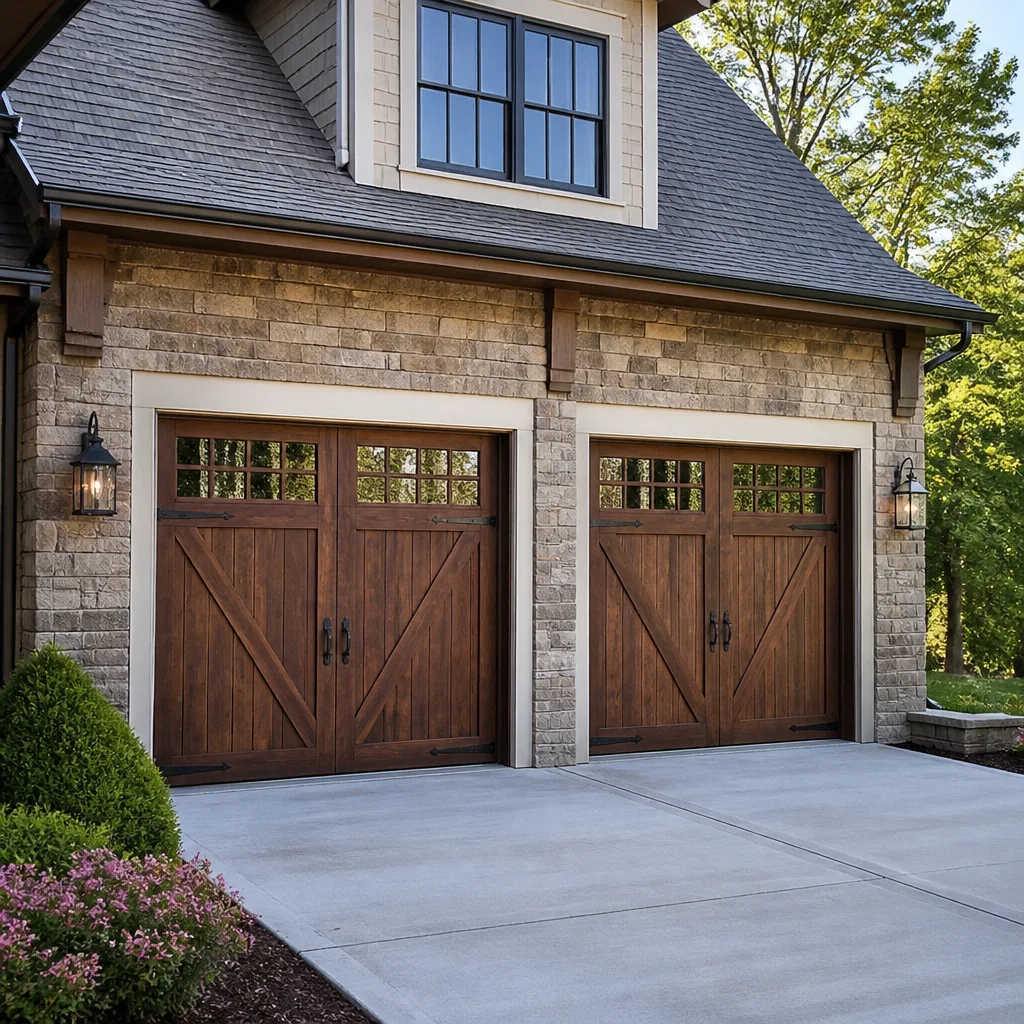 Carriage house
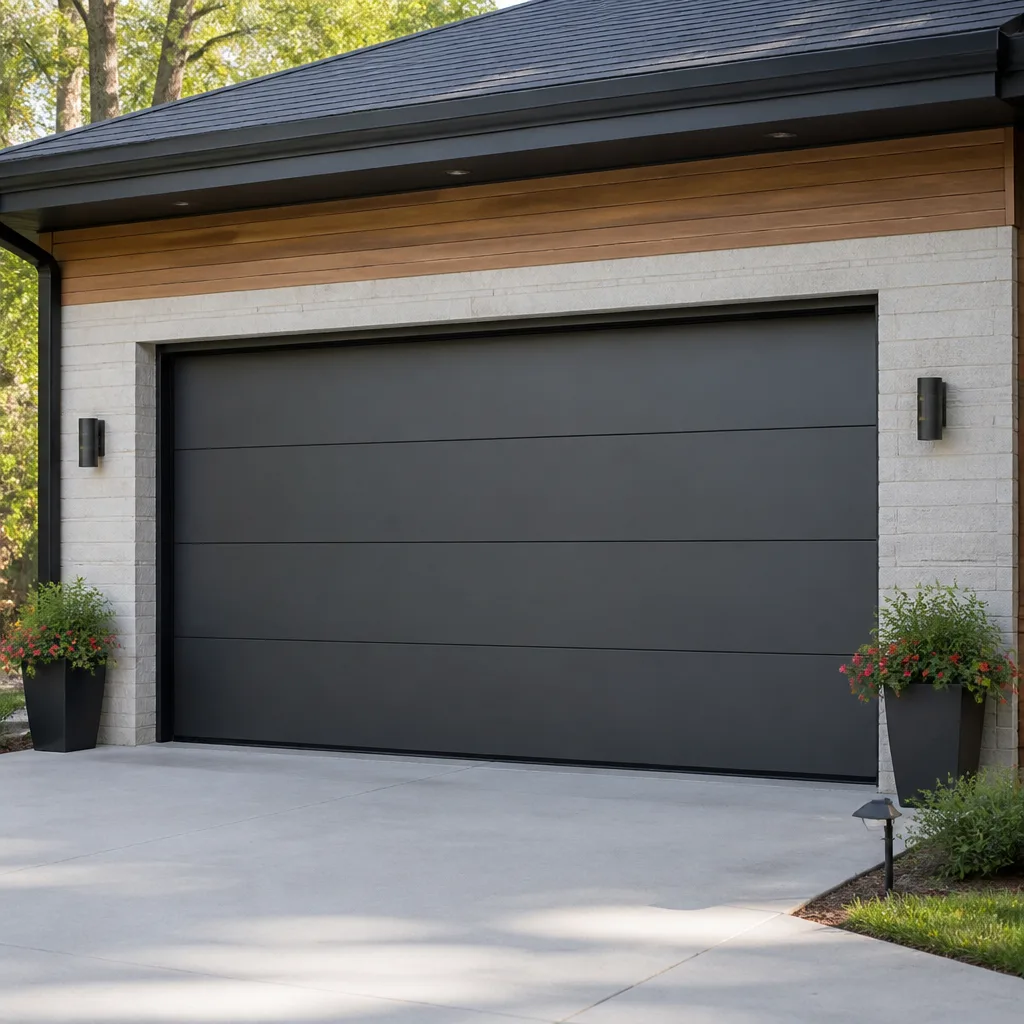 Modern flush
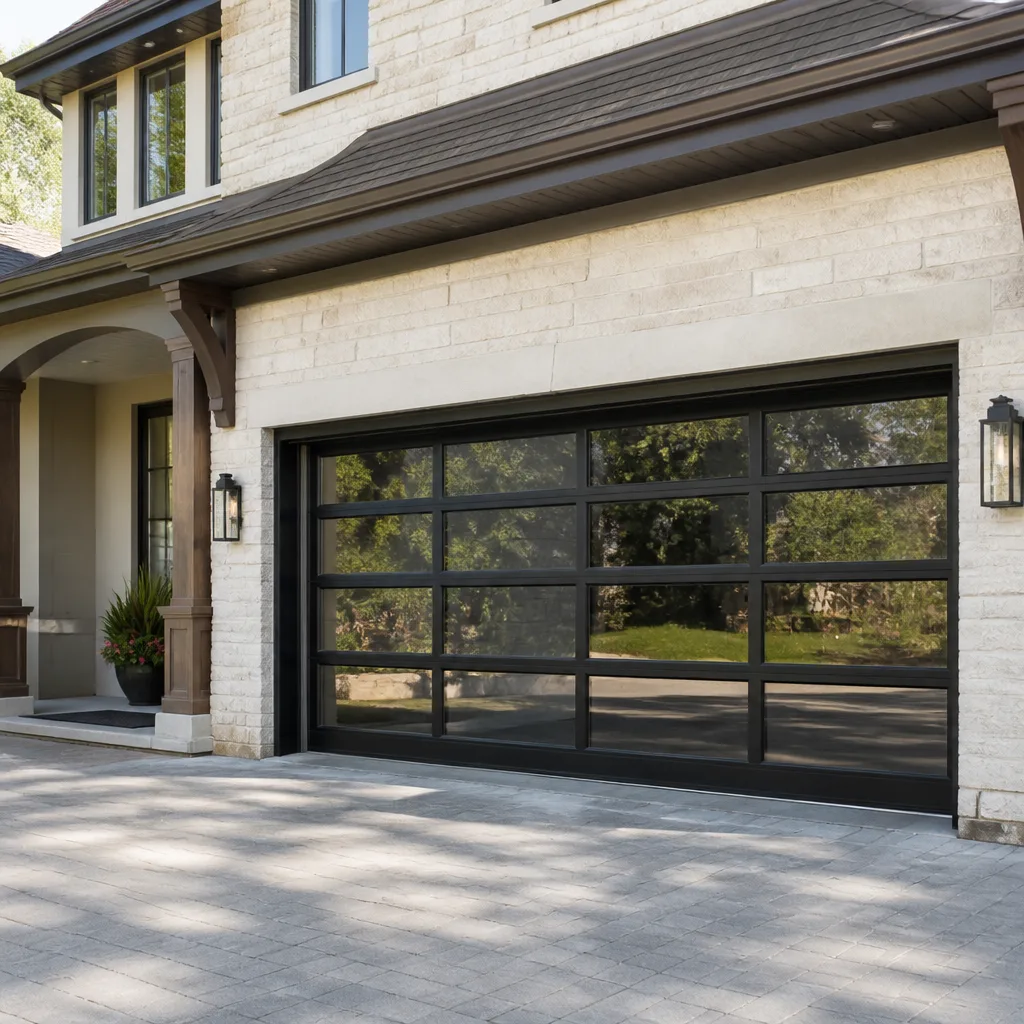 Full-view glass
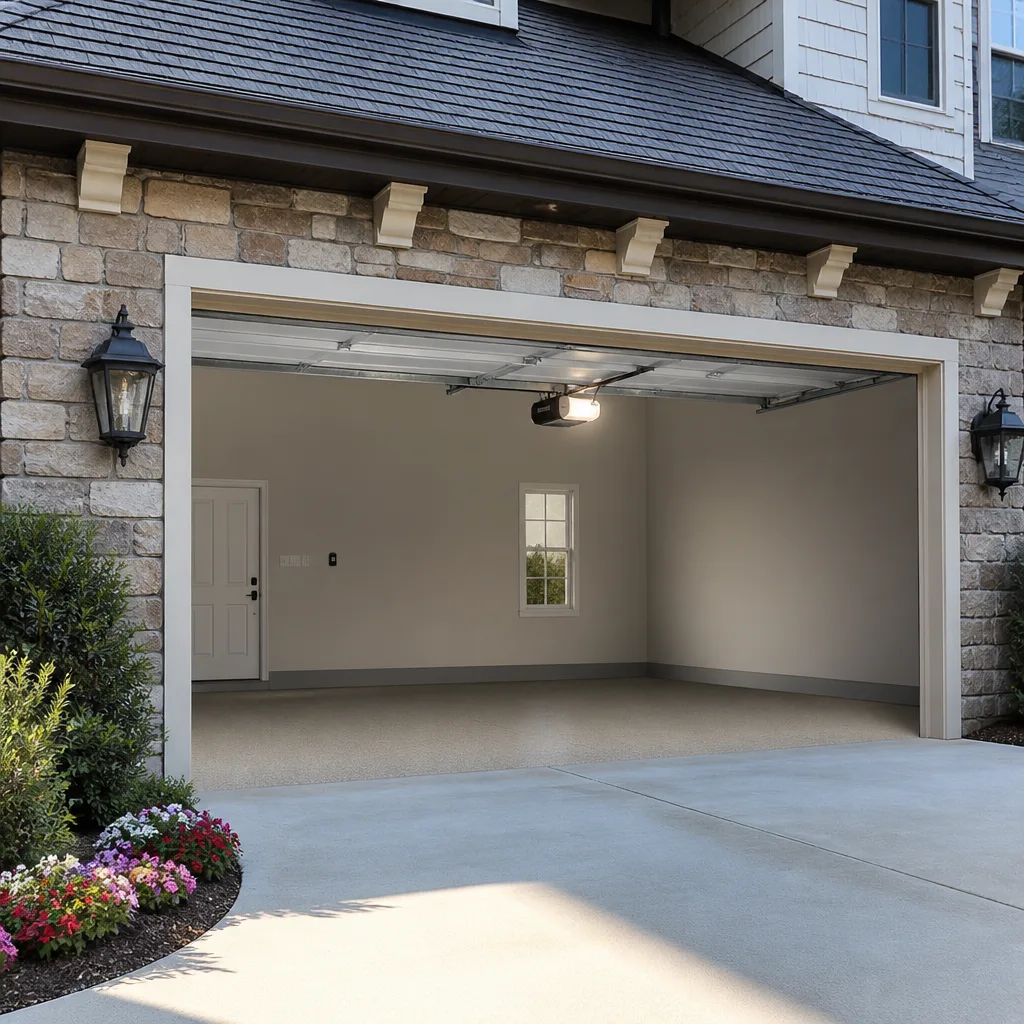 LiftMaster openers
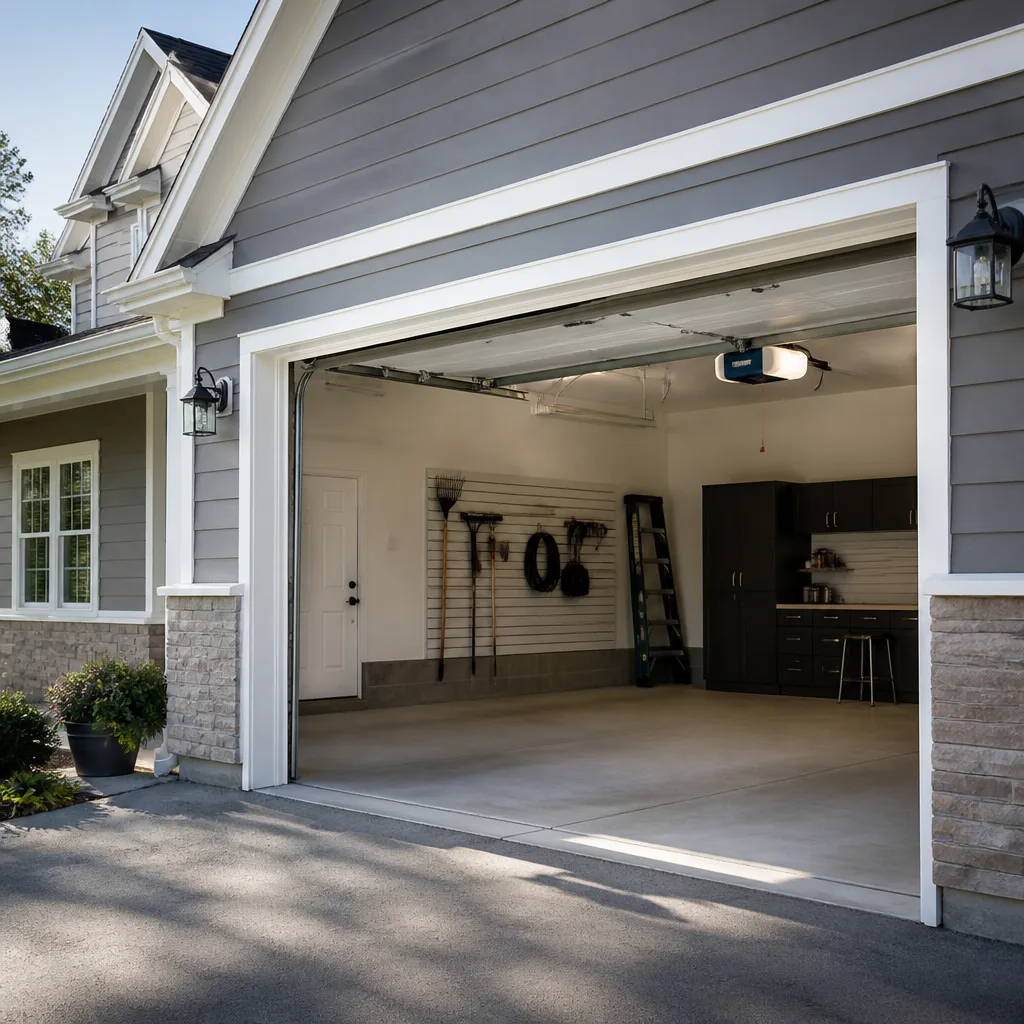 Chamberlain openers
Full 25-point door and opener safety check with every visit - springs, cables, rollers, tracks, and your LiftMaster or Chamberlain opener included
You get a price before we start. It does not change when the pro arrives.
Get your free estimateThe Complete Guide to Garage Doors in Hialeah
Most garage door guides are written for homeowners in Ohio. Hialeah is not Ohio. This city gets soaked by tropical downpours, sits close enough to Biscayne Bay that humidity is a constant, and every residential door here has to answer to Miami-Dade County’s wind-load rules before it can legally go up. Those three facts eliminate a big share of the doors sold at big-box stores from being code-legal at a Hialeah address, and they change how a door should be chosen, reinforced, and maintained. In this guide we walk through the full picture for Hialeah: what the wind-load codes actually require, how to read a Notice of Acceptance, why material and coating choices matter more here than in drier climates, how power interruptions shape opener selection, and how to measure an opening before you call anyone. It’s the guide we’d want a neighbor to read before spending a dollar.
Styles & brands we work with
- Raised-panel steel
- Carriage house
- Modern flush
- Full-view glass
- LiftMaster openers
- Chamberlain openers
Quick Answer
A garage door in Hialeah must carry a Miami-Dade County Notice of Acceptance (NOA) and meet Florida Building Code wind-load requirements for its address, be installed and permitted correctly, and be paired with an opener that has battery backup for power interruptions. The right door is chosen by wind rating, material durability in humid conditions, and an accurate measurement of a non-standard opening – not by what’s on sale. Everything below explains how to get each of those right.
Table of Contents
- Why Garage Doors in Hialeah Are Different
- Miami-Dade NOA Approval: What It Is and How to Verify It
- Wind-Load Ratings Under Florida Building Code
- Materials and Coating for Humidity and Salt Air
- Openers, Battery Backup, and Power Interruptions
- Measuring Your Opening Before You Call
- Springs, Cables, and the Repairs You Should Never DIY
- Repair or Replace: How to Decide
- Common Mistakes to Avoid
- When to Call a Professional
- Frequently Asked Questions
- The Bottom Line
Why Garage Doors in Hialeah Are Different
Hialeah’s climate and building stock put demands on a garage door that a generic buying guide never accounts for. The city receives well over 60 inches of rain a year, and that moisture sits against door panels, hinges, and bottom seals for months at a time. The combination of heat, humidity, and proximity to Biscayne Bay means hardware that would last years in a dry climate can start to oxidize faster here. Steel gauge, coating quality, and the number of moving parts all matter more at a Hialeah address than they do inland or up north.
The housing stock matters too. Much of Hialeah is dense block-home and townhome construction, and many of those openings were built to dimensions that don’t match the standard sizes stocked at big-box stores. A door that doesn’t fit an opening precisely will struggle at the tracks, wear its rollers, and put extra load on the opener. On top of that, Miami-Dade County’s wind-load requirements are among the strictest in the country, and every residential door here has to prove it meets them. Put those factors together and a garage door in Hialeah is a system shaped by local conditions, not a universal appliance.
What that means for you as a homeowner is simple: choose the door for the code and the climate first, and let style follow. The rest of this guide covers each piece of that decision so you can walk into any conversation with a clear idea of what your Hialeah home actually needs.
Miami-Dade NOA Approval: What It Is and How to Verify It
A Notice of Acceptance, or NOA, is Miami-Dade County’s formal document confirming that a product has been tested and approved for use in the county under its high-velocity hurricane zone requirements. For garage doors, a valid NOA is effectively the passport to a legal installation. A door that looks sturdy but lacks a current NOA for your product line can’t be permitted and shouldn’t be installed. This is the single most important thing to check before you buy, and it’s the reason so many big-box doors are eliminated from consideration in Hialeah.
Verifying a NOA is straightforward once you know what to look for:
- Ask for the NOA number in writing. Any installer should be able to give you the specific NOA number tied to the door model you’re buying – not a general claim that “it’s code-compliant.”
- Check the product listing. The NOA should list the exact door model and options (glazing, reinforcement, size range) that match what you’re purchasing. Options that weren’t tested can void the approval for your configuration.
- Confirm it’s current. NOAs have expiration dates. A door with a lapsed NOA is a red flag.
- Match the installation to the approval. The NOA covers a specific installation method. If the door is hung with different anchors or reinforcement than the approval specifies, the rating no longer applies.
When we work on doors for homeowners in Hialeah, verifying the NOA is part of the first conversation, not an afterthought. It protects you at permit inspection, and it protects your home during a storm. If a seller can’t produce a current NOA for the model being quoted, that’s your signal to keep looking.
Wind-Load Ratings Under Florida Building Code
Florida Building Code sets the wind-load performance a garage door must meet at a specific address, and in Hialeah that number is driven by Miami-Dade’s high-wind requirements. A door isn’t “rated” in the abstract; it’s rated for a design pressure that corresponds to where it’s installed. The correct rating depends on your address, not on a single number that applies everywhere. This is why the same door model sold in three configurations can be legal at one home and not at another.
Here’s what actually happens in practice at a permit inspection. An inspector checks that the door installed matches the permitted model, that the NOA is on file for that product and installation method, and that the reinforcement and anchoring match what the approval requires. If any of those pieces are missing or mismatched, the inspection fails. A failed inspection can mean removing or reworking a door you’ve already paid for, so getting the number and the paperwork right before installation matters far more than getting the door up quickly.
For a Hialeah homeowner, the practical steps look like this:
- Confirm the required design pressure for your specific address with the city’s building department before ordering a door.
- Make sure the door model, size, and options on the NOA match the required rating.
- Pull the permit before installation, and have the NOA and approval documents ready for inspection.
- Use an installer who understands Miami-Dade’s inspection process – not a generalist doing a one-off door.
Wind-load compliance isn’t paperwork for its own sake. On a Hialeah block home, a properly rated, properly anchored door is part of the building envelope. Getting it wrong is expensive; getting it right is a one-time job.
Materials and Coating for Humidity and Salt Air
Material choice for a Hialeah garage door comes down to how well a door resists moisture and how well its coating holds up under constant humidity. Steel is the most common choice because it’s strong and affordable, but not all steel is equal. Gauge – the thickness of the steel – determines how well a door holds its shape and resists dents, and two doors that look identical from the street can be built from very different gauges. Heavier gauge means a more stable panel and better resilience over time.
Coating quality is the other half of the equation. In a humid climate near the bay, a door’s finish is its first line of defense against rust and oxidation. Factory-applied finishes that are baked on and properly cured hold up far better than a thin coat added later. This is where brand familiarity pays off in a concrete way: doors from Clopay, Amarr, and Wayne Dalton each use their own finish and panel construction, and understanding the difference between their product lines is what lets a technician recommend a door that will hold up here rather than just sell the model that’s in stock.
A few practical guidelines for this climate:
- Check the gauge. Ask what gauge the panels are before you compare prices. Two doors at the same price point may not be built to the same standard.
- Ask about the finish. Factory-baked finishes hold up better than field-applied coatings. Confirm how the finish is applied.
- Pay attention to hardware, not just panels. Hinges, rollers, and fasteners also face the humidity. Look at what they’re made of, not just the door face.
- Air circulation matters. A garage that stays closed and moist will punish a door faster than one that gets some ventilation.
None of this means you need the most expensive door on the market. It means the door you choose should be built for the conditions it lives in. In Hialeah, that’s a genuine deciding factor.
Openers, Battery Backup, and Power Interruptions
Hialeah gets frequent power interruptions – from severe storms, from routine outages in dense neighborhoods, and from the general wear that comes with a hot, humid climate. That single fact reshapes how you should think about an opener. An opener without battery backup is useless when the power is out, which is exactly when you most need your car and your home secured. When we quote an opener for a Hialeah home, battery backup isn’t a luxury add-on; it’s part of the basic answer to the question of how your door works when the grid doesn’t.
The other piece is UL listing and safety compliance. Openers carry a UL listing that confirms they meet safety requirements, including the reverse-on-contact feature that protects people and pets. A cheap opener without proper listing is a safety hazard. Beyond the listing, the opener needs to match the door: spring tension, door weight, and manual release function all interact with the opener’s logic, and a mismatch shows up as odd behavior, premature wear, or a door that won’t reverse properly.
Opener systems fall into two broad camps, and both need help here:
- Modern units such as Wi-Fi-enabled LiftMaster and Chamberlain models need updated firmware and proper pairing with the homeowner’s network. When they stop responding, the cause is often configuration, not failure.
- Legacy units from Craftsman and older Raynor or Genie systems are frequently declined by competitors because the parts and logic are unfamiliar. We service both, which is a real difference when a door has been working for years and suddenly stops.
If you’re replacing an opener, ask three questions before you pick a model: does it have battery backup, is it UL-listed, and is it matched to your door’s weight and spring tension? If your opener needs attention, garage door opener repair is one of our core services, and it covers both smart and legacy systems.
Measuring Your Opening Before You Call
A surprising share of garage door problems in Hialeah trace back to an opening that was never measured properly. The city’s dense block-home and townhome inventory includes many openings that don’t match standard sizes, and no amount of measuring in a showroom fixes that. Before you call anyone, measure the opening yourself and write the numbers down. It takes ten minutes and it makes the entire conversation faster and more accurate.
- Measure the opening width three times – at the top, the middle, and the bottom. Use the smallest number. Openings aren’t always square, and older block construction often shows the difference.
- Measure the opening height at the left, center, and right. Again, use the smallest number.
- Measure the headroom – the space from the top of the opening to the ceiling. This determines what kind of door and track system will fit.
- Measure the backroom – the distance from the door to the back of the garage. A sectional door needs room to travel back and overhead on its tracks.
- Note the side room on each side of the opening. Low side room changes which track configuration works.
- Check for obstructions near the ceiling and tracks – a beam, a duct, or a water heater in the wrong place can limit your options.
Once you have those measurements, you can tell whether your opening is standard or non-standard, and you can have a real conversation about which doors are even available in your size. It also means the first professional visit is about confirming and recommending, not about discovering the opening doesn’t fit the door on the quote.
Springs, Cables, and the Repairs You Should Never DIY
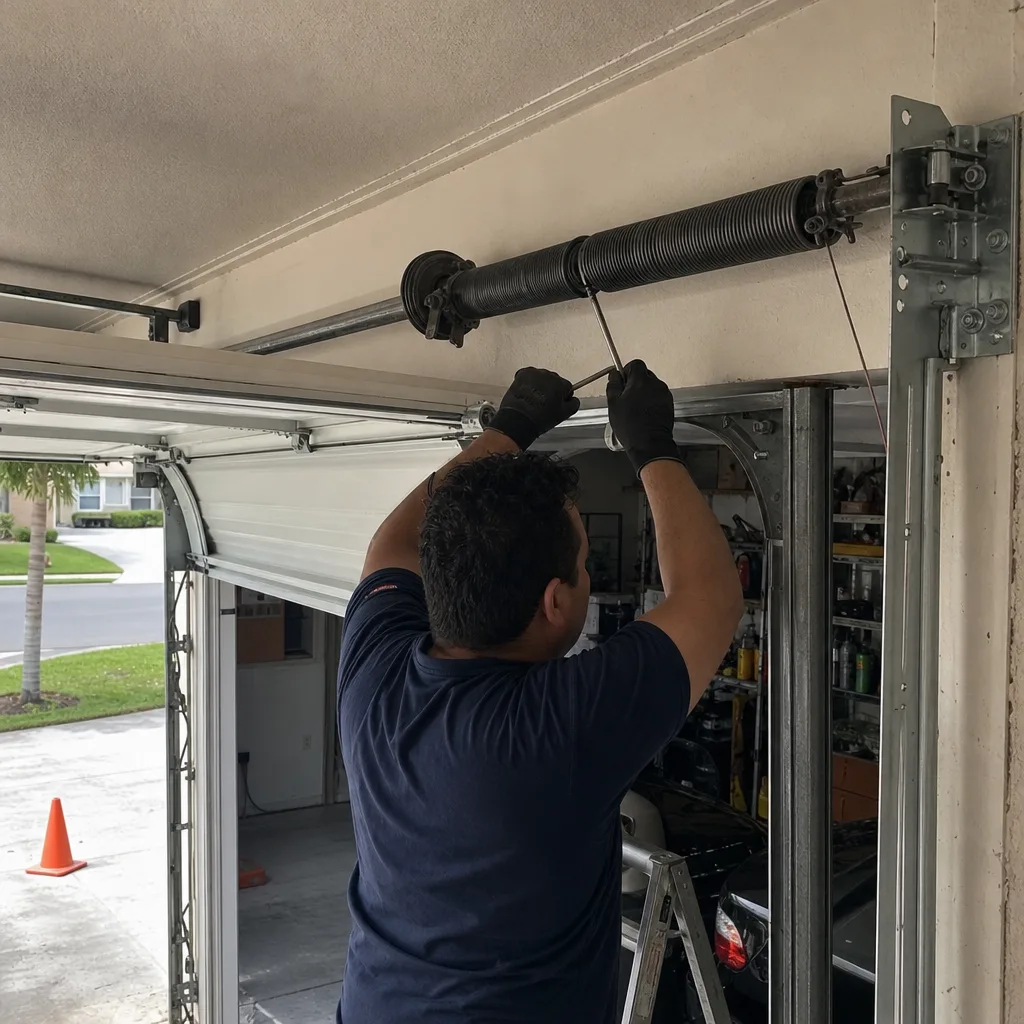
Garage door springs store enormous mechanical energy, and they release it without warning when something fails. Cable and spring work is the most dangerous part of this trade, and it’s the area where a homeowner is most likely to get hurt trying to save money. We’re direct about this because we’ve seen what happens when a high-tension spring lets go during a DIY repair. The spring isn’t the danger by itself; the stored energy and the tools involved are.
What you can safely do is recognize the warning signs and check the door’s behavior:
- Listen for a loud bang from the garage, often followed by a door that won’t open or won’t stay up.
- Watch for a visible gap in a torsion spring, or a stretched look on an extension spring.
- Check whether the door feels dramatically heavier than usual when you lift it by hand with the opener disengaged.
- Look for frayed or slack cables, and never touch a cable under tension.
- Notice if the door closes unevenly or the opener strains during the cycle.
If any of those signs are present, stop using the door and call a trained professional. Spring and cable replacement requires the right tools, the right replacement parts for your door’s weight, and a proper balance adjustment afterward. We treat spring repair as a dedicated service rather than a side job, because it demands specialist handling. If you need it, our garage door spring repair team handles it safely and correctly, and we’ll tell you whether you’re looking at a single spring or a matched pair. A matched pair is usually replaced together, and a pair costs roughly twice the price of one spring.
Repair or Replace: How to Decide
The repair-or-replace question comes down to three factors: the age of the door, the condition of its structure, and whether the parts needed are still available and code-legal. A door that only needs a spring, a roller set, or an opener fix is almost always worth repairing. A door with rusted panels, a binding track, or a model that no longer meets current wind-load requirements is a different conversation, because a repair may not solve the underlying problem.
In Hialeah, there’s a code dimension that most repair-or-replace discussions miss. A door installed years ago may not meet the wind-load rating that a new door would be required to meet today. If you’re replacing anyway, that’s your chance to get the door and the NOA right in one step. If you’re keeping an older door, the question is whether it still passes inspection and whether the parts to keep it running are available in your model’s product line. When the answer is unclear, getting a straight recommendation beats guessing. We’ll tell you which one actually makes sense rather than defaulting to the bigger sale.
For a replacement, the process is measured and scheduled rather than rushed. The door has to be specced to the NOA and the address’s wind rating, ordered in the right size and configuration, and installed with the reinforcement the approval calls for. That means a free measure and a written price up front, not a same-day promise. Our garage door repair service covers the fixes, and for a full replacement we spec and install a new door rather than only patching the old one.
Common Mistakes to Avoid
These are the errors we see most often from Hialeah homeowners, and each one gets expensive in a specific way.
- Buying a door without confirming its NOA. A door without a current Miami-Dade Notice of Acceptance can’t be permitted, and you may have to remove it. Ask for the NOA number in writing before you pay.
- Skipping the permit. Miami-Dade’s wind-load compliance is enforced at inspection. A door installed without a permit may fail later, and the fix is rarely cheap.
- Choosing an opener without battery backup. Hialeah’s power interruptions are frequent enough that an opener without backup is a real problem, not an inconvenience. Confirm battery backup and UL listing before you buy.
- Measuring the opening once. Openings in Hialeah’s block homes and townhomes aren’t always square. Measure at the top, middle, and bottom, and use the smallest number.
- Trying a spring or cable repair yourself. The stored energy in a torsion spring can cause serious injury. If you see a gap, a bang, or a slack cable, stop and call a professional.
- Judging a door only by its panel price. Gauge and coating quality determine how the door holds up in humidity. Two doors at the same price can be built very differently.
- Letting a small opener problem linger. Odd behavior after a power outage or a firmware update is often a config issue, not a replacement. Getting it diagnosed properly saves you a needless new opener.
When to Call a Professional
Call a professional when the door won’t open or close, when you see a gap in a spring, when a cable looks frayed or slack, or when the door closes unevenly and strains the opener. Call when your opener stops responding after a power interruption, when the remotes won’t pair, or when the door reverses for no clear reason. Call before you buy a replacement door if you’re unsure whether your opening is standard or whether your current door meets wind-load requirements. And call if you’re planning a new installation and need the NOA and permit handled correctly. Garage Door Repair Hialeah Pros offers free estimates in Hialeah – call (855) 337-2041. Same-day and emergency service is available, and we answer 24/7. Fast dispatch from 7am to 7pm, Sunday through Friday.
Frequently Asked Questions
Yes. A residential garage door installed in Hialeah must carry a current Miami-Dade County Notice of Acceptance and meet the wind-load rating required for the address. Ask for the NOA number in writing before you buy, confirm the listing matches your exact door model and size, and make sure the installation matches what the approval specifies. Call (855) 337-2041 for an exact quote – estimates are free.
A typical single spring repair in Hialeah falls in a modest range, and a matched pair is usually replaced together, so a pair costs roughly twice the price of one spring. The written estimate sets the final price, and we quote and agree it before any work starts. Call (855) 337-2041 for an exact quote – estimates are free.
Because the opener has no battery backup, or its backup isn’t holding a charge. In Hialeah, power interruptions are frequent enough that battery backup should be a basic requirement of any opener you install. If your opener is misbehaving after an outage or a firmware update, the cause is often configuration rather than failure, and it’s worth diagnosing before replacing. Call (855) 337-2041 for an exact quote – estimates are free.
Measure the opening width and height at the top, middle, and bottom, and use the smallest number. Then measure headroom, backroom, and side room. Many Hialeah block homes and townhomes were built to non-standard dimensions, so an accurate measurement is the first step toward a door that fits. Call (855) 337-2041 for an exact quote – estimates are free.
The installer has to correct the mismatch, which can mean reworking or replacing the door, reinforcement, or anchoring so it matches the NOA and the permitted model. The way to avoid a failed inspection is to confirm the door model, size, options, and installation method all match the NOA before ordering, and to pull the permit before installation. Call (855) 337-2041 for an exact quote – estimates are free.
The local pros we connect you with are licensed and insured as their state requires. Our technicians have up to 9 years of experience, and every job is quoted and agreed before work starts. Call (855) 337-2041 for an exact quote – estimates are free.
Yes for repair and emergency calls. We answer 24/7, and fast dispatch from 7am to 7pm, Sunday through Friday. A call outside dispatch hours is booked into the next opening. For a full door replacement, the work is measured and scheduled rather than same-day, and we start with a free measure and a written price. Call (855) 337-2041 for an exact quote – estimates are free.
The Bottom Line
A garage door in Hialeah is a system shaped by local conditions. A current Miami-Dade NOA and a wind-load rating matched to your address are non-negotiable, and they’re checked at permit inspection. Material gauge and factory-applied coating matter more here than in a dry climate, because humidity and salt air punish a cheap door. An opener needs battery backup and UL listing to make sense in a city with frequent power interruptions, and it needs to be matched to your door’s weight and spring tension. Measure your opening before you call, respect the danger in springs and cables, and let the code and the climate drive the decision. When you’re ready, we’re here to help – Garage Door Repair Hialeah Pros.
Call (855) 337-2041 for a free estimate. We answer 24/7. Fast dispatch from 7am to 7pm, Sunday through Friday.
Written by the team at Garage Door Repair Hialeah Pros.
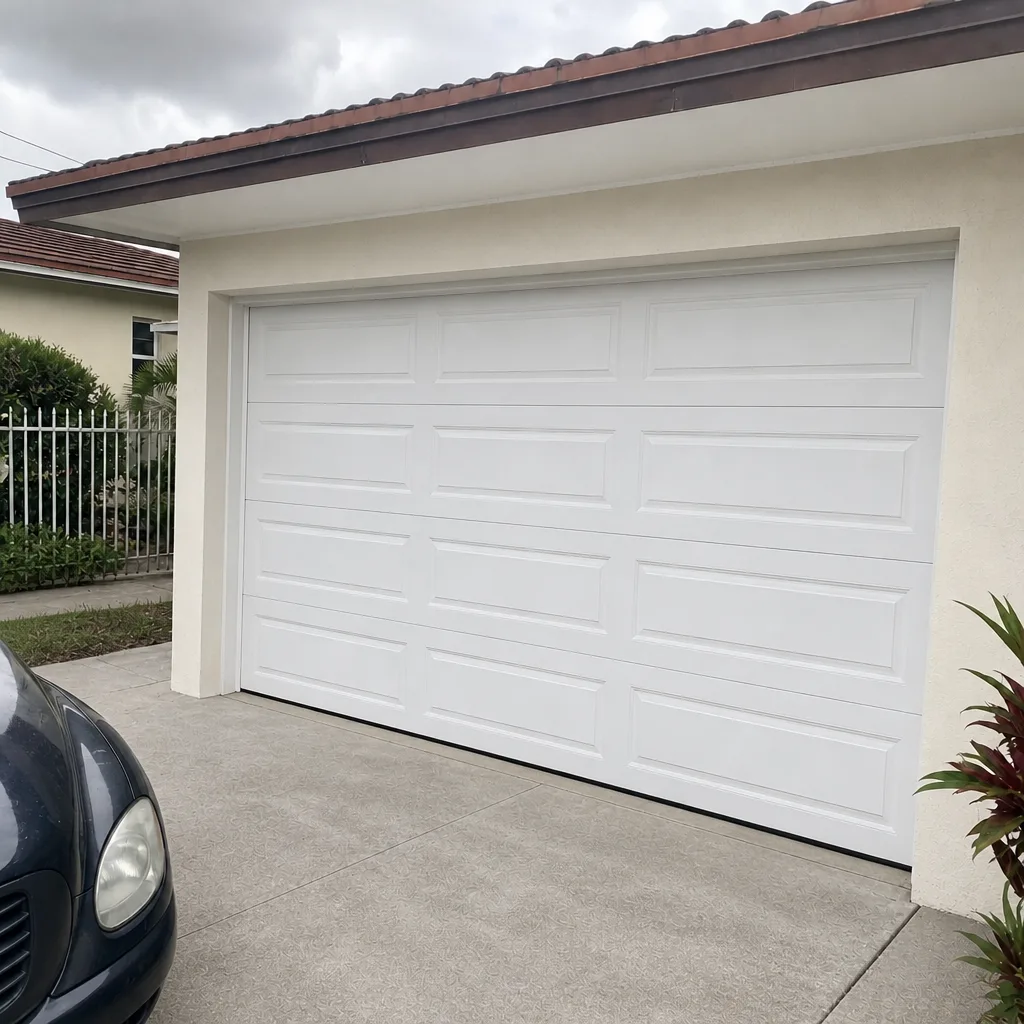
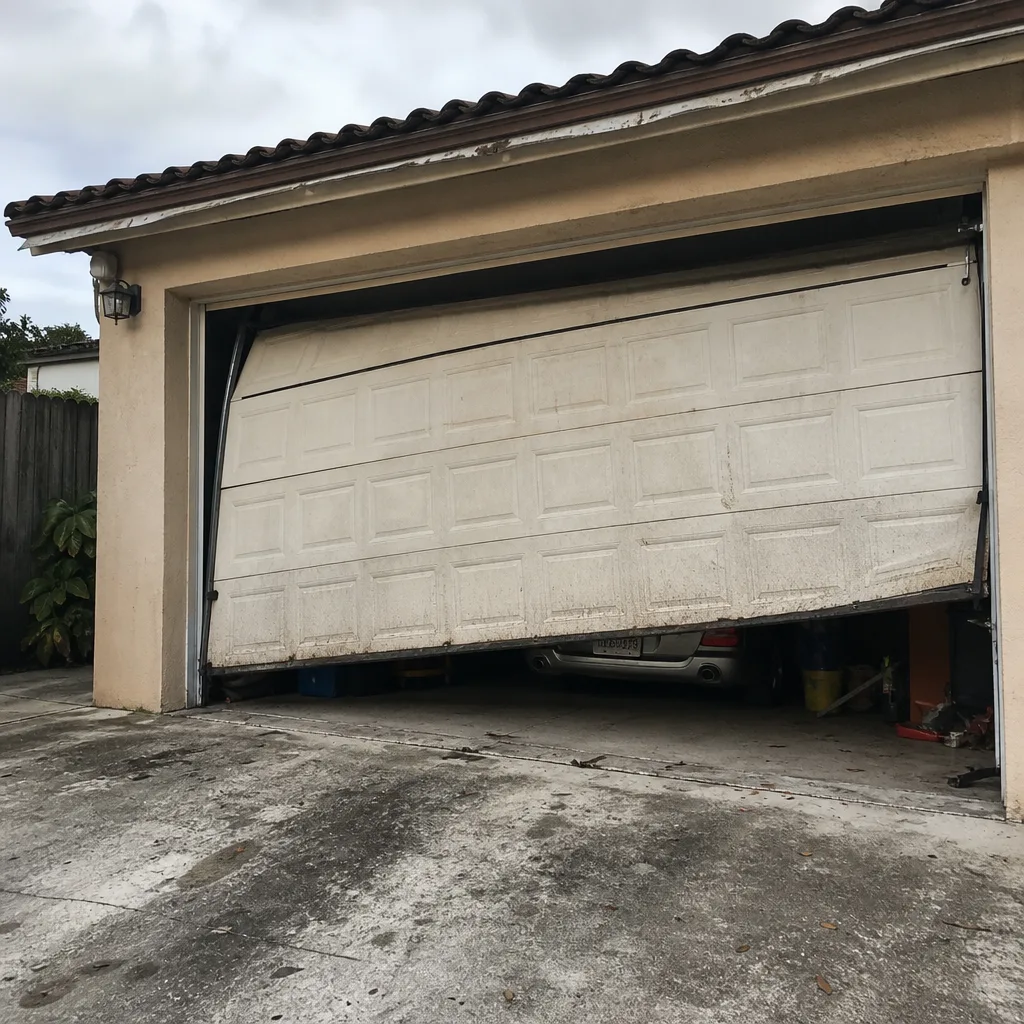
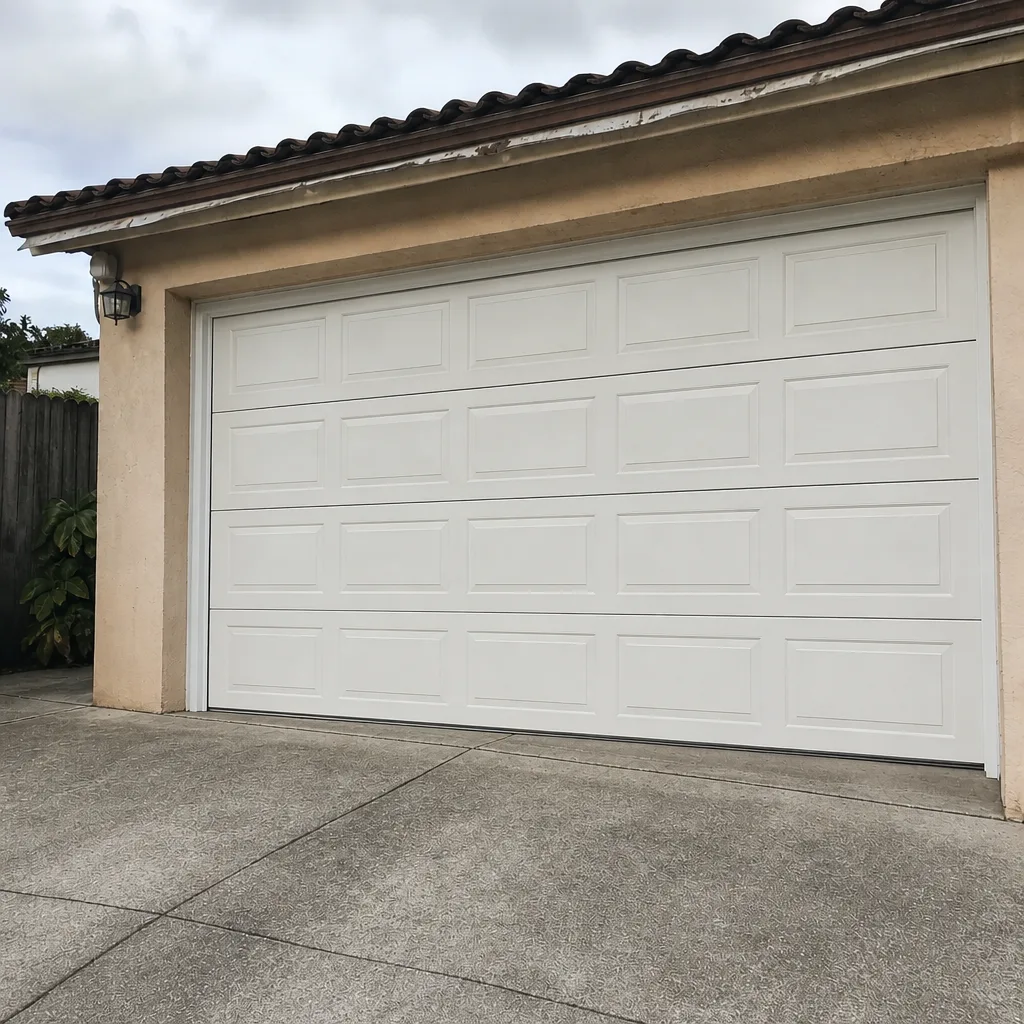
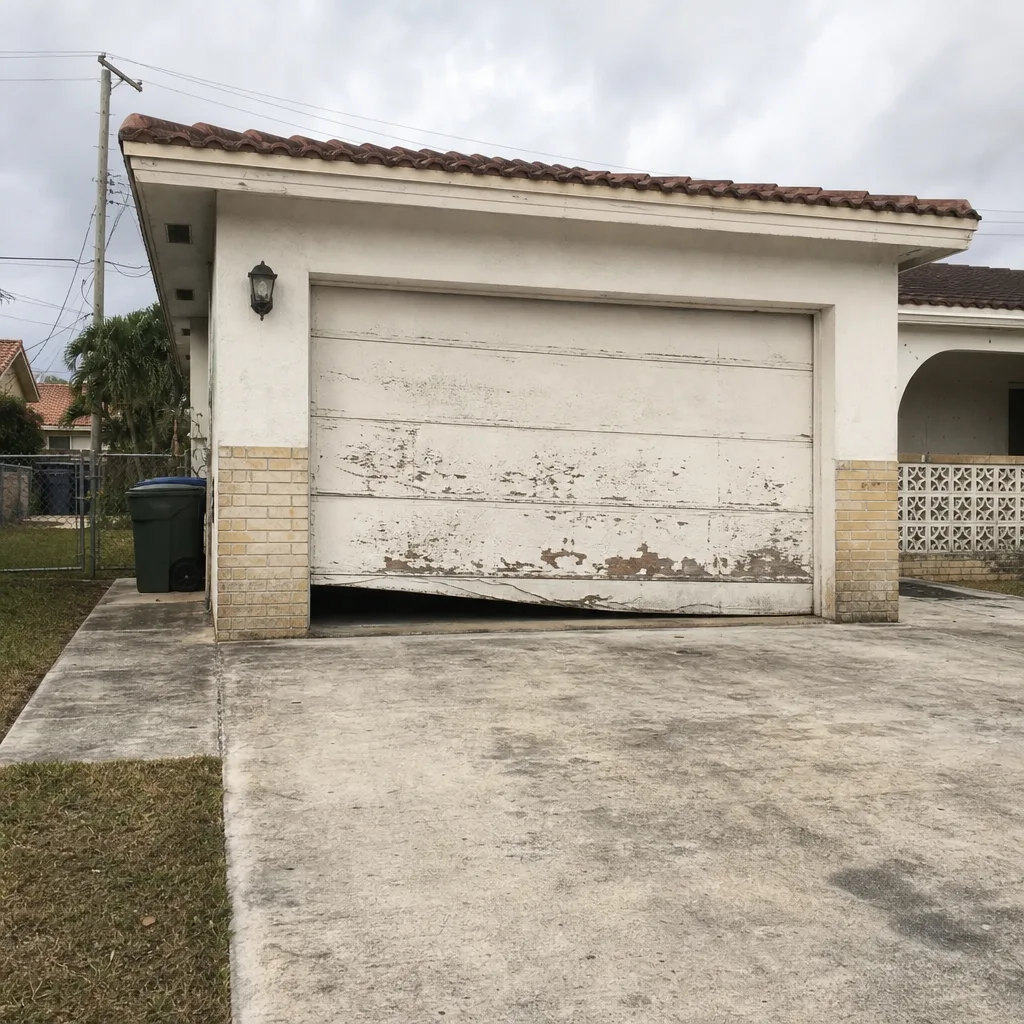
See the difference
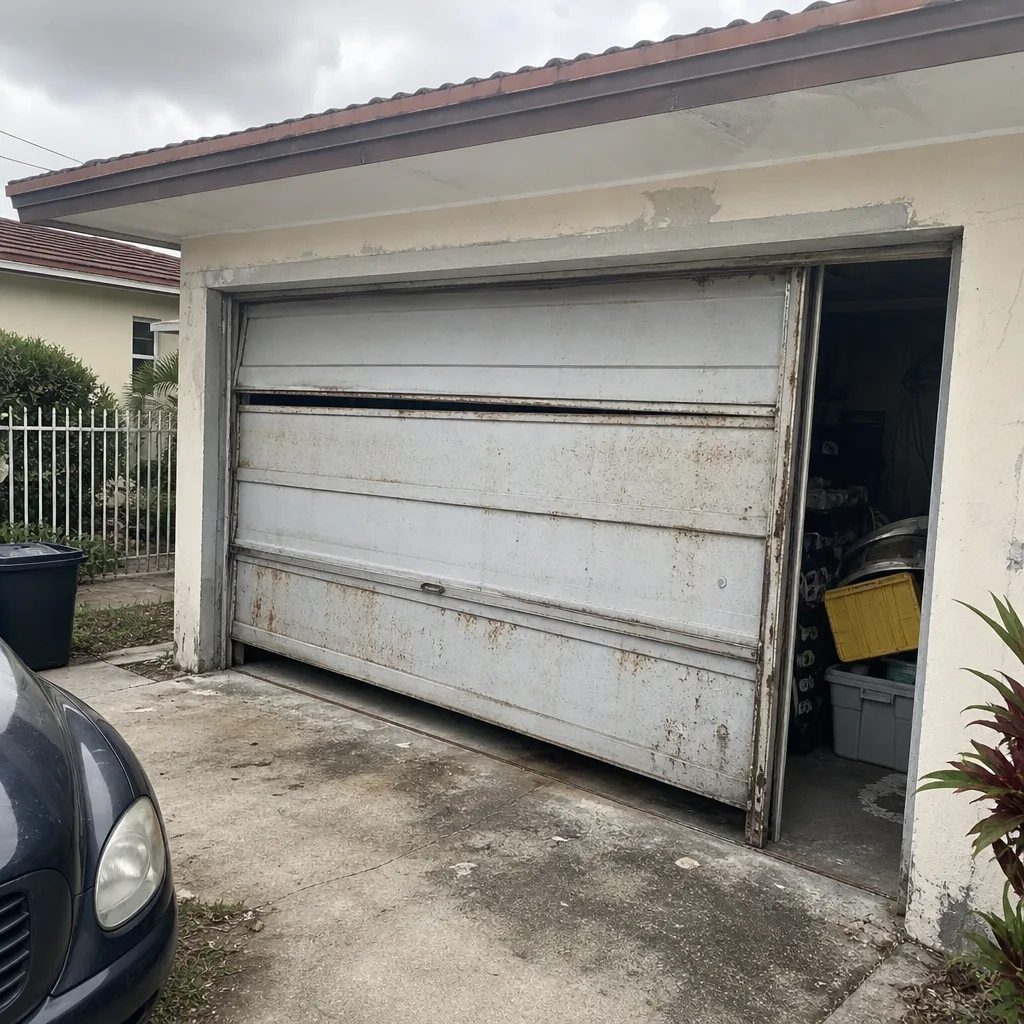 Before
 After
 Before
 After
 Before
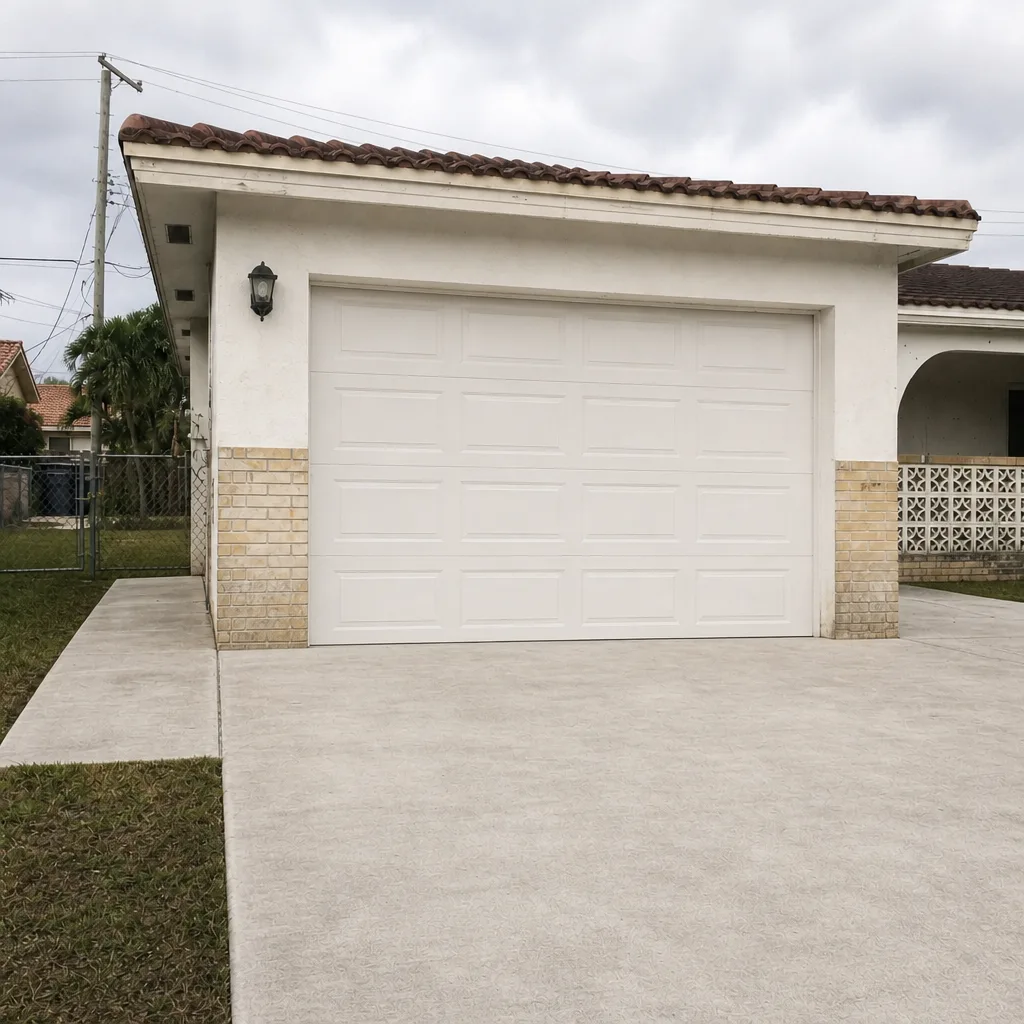 After